กำลังโหลด…
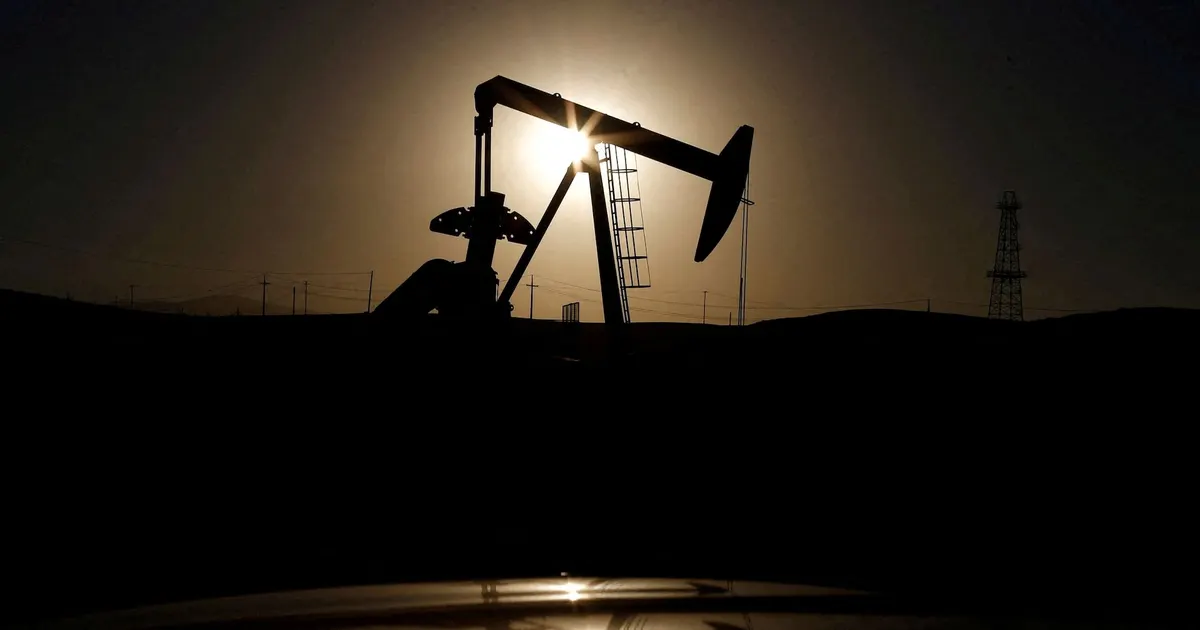
Oil prices rose 8% on Thursday, March 17, 2022, recovering from several days of losses. The rebound reflected renewed concern about supply shortages in the coming weeks because of sanctions on Russia, the world's second-largest crude exporter.
Sanctions-driven supply fears lift crude prices, which raise diesel, freight and fertilizer costs for feed producers and support biofuel-linked feedstocks such as soybean oil and corn.
 cnbc.comReuters17 มี.ค. 2565
 reuters.comArathy Somasekhar17 มี.ค. 2565
หลัง 626 เหตุการณ์ภูมิรัฐศาสตร์ที่ขาขึ้นในอดีต น้ำมันดิบ (WTI) เคลื่อนไหวเฉลี่ย +2.1% ใน 5 วันทำการ (62% สูงขึ้น; ช่วงกลาง -2.3% ถึง +8.5%) และ +1.6% ใน 20 วัน.
หลัง 656 เหตุการณ์ภูมิรัฐศาสตร์ที่ขาขึ้นในอดีต น้ำมันดิบ (Brent) เคลื่อนไหวเฉลี่ย +1.9% ใน 5 วันทำการ (63% สูงขึ้น; ช่วงกลาง -2.7% ถึง +6.6%) และ +0.7% ใน 20 วัน.
หลัง 250 เหตุการณ์ภูมิรัฐศาสตร์ที่ขาขึ้นในอดีต ULSD / ดีเซล เคลื่อนไหวเฉลี่ย +1.7% ใน 5 วันทำการ (58% สูงขึ้น; ช่วงกลาง -3.6% ถึง +8.7%) และ +0.9% ใน 20 วัน.
การเคลื่อนไหวของราคาอ้างอิงของแต่ละสินค้านับจากการปิดตลาดครั้งสุดท้ายก่อนเหตุการณ์ ข้อมูลย้อนหลังรวมเหตุการณ์ชนิดเดียวกันในอดีต ซึ่งบอกสิ่งที่เกิดขึ้น ไม่ได้บอกสิ่งที่จะเกิด ไม่ใช่คำแนะนำการลงทุน
Oil rose 8% on March 17 on renewed fears of Russian supply shortages from sanctions, driving the rebound in ULSD during the window.
The 8% rebound on March 17 on renewed Russian supply-shortage fears began the recovery from the March 15-16 low, lifting the 5-day change.
The 8% rebound on March 17 on Russian supply shortage concerns raised the base from which the later gains were measured and signalled the upward momentum.
