กำลังโหลด…
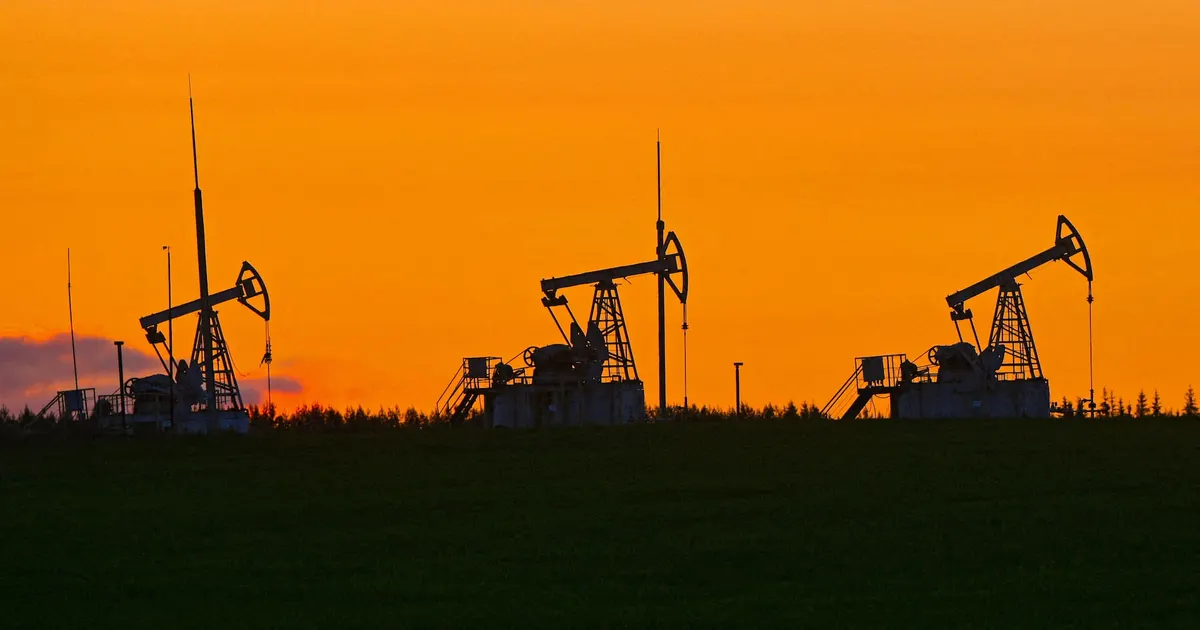
Oil prices surged about 5% to a two-week high after the US imposed sanctions on Rosneft and Lukoil over Russia's war in Ukraine. Brent settled at $65.99 and WTI at $61.79, and energy firms in China and India were weighing cuts to Russian imports.
If Chinese and Indian buyers cut Russian crude, global supply tightens and crude prices stay elevated. Higher crude supports biofuel and diesel costs, which can lift soybean oil and other energy-linked feed inputs.
 reuters.comScott Disavino22 ต.ค. 2568
หลัง 656 เหตุการณ์ภูมิรัฐศาสตร์ที่ขาขึ้นในอดีต น้ำมันดิบ (Brent) เคลื่อนไหวเฉลี่ย +1.9% ใน 5 วันทำการ (63% สูงขึ้น; ช่วงกลาง -2.7% ถึง +6.6%) และ +0.7% ใน 20 วัน.
หลัง 626 เหตุการณ์ภูมิรัฐศาสตร์ที่ขาขึ้นในอดีต น้ำมันดิบ (WTI) เคลื่อนไหวเฉลี่ย +2.1% ใน 5 วันทำการ (62% สูงขึ้น; ช่วงกลาง -2.3% ถึง +8.5%) และ +1.6% ใน 20 วัน.
หลัง 250 เหตุการณ์ภูมิรัฐศาสตร์ที่ขาขึ้นในอดีต ULSD / ดีเซล เคลื่อนไหวเฉลี่ย +1.7% ใน 5 วันทำการ (58% สูงขึ้น; ช่วงกลาง -3.6% ถึง +8.7%) และ +0.9% ใน 20 วัน.
การเคลื่อนไหวของราคาอ้างอิงของแต่ละสินค้านับจากการปิดตลาดครั้งสุดท้ายก่อนเหตุการณ์ ข้อมูลย้อนหลังรวมเหตุการณ์ชนิดเดียวกันในอดีต ซึ่งบอกสิ่งที่เกิดขึ้น ไม่ได้บอกสิ่งที่จะเกิด ไม่ใช่คำแนะนำการลงทุน
Reuters report dated Oct 22 of oil surging about 5% after US sanctions on Rosneft and Lukoil, with Brent settling near $66, directly matches the 1-day move through 2025-10-22.
US sanctions on Rosneft and Lukoil threaten Russian crude supply and trade flows, driving Brent up about 5% to a two-week high.
US sanctions on Rosneft and Lukoil on Oct 22 sent crude up ~5%, a supply-risk shock that directly lifted ULSD futures the same day.
The sanctions on Russian majors drove a ~5% crude surge, lifting diesel via input cost and supply-risk sentiment; the settlement is dated Oct 22 but the move carried into the Oct 23 diesel session.
