กำลังโหลด…
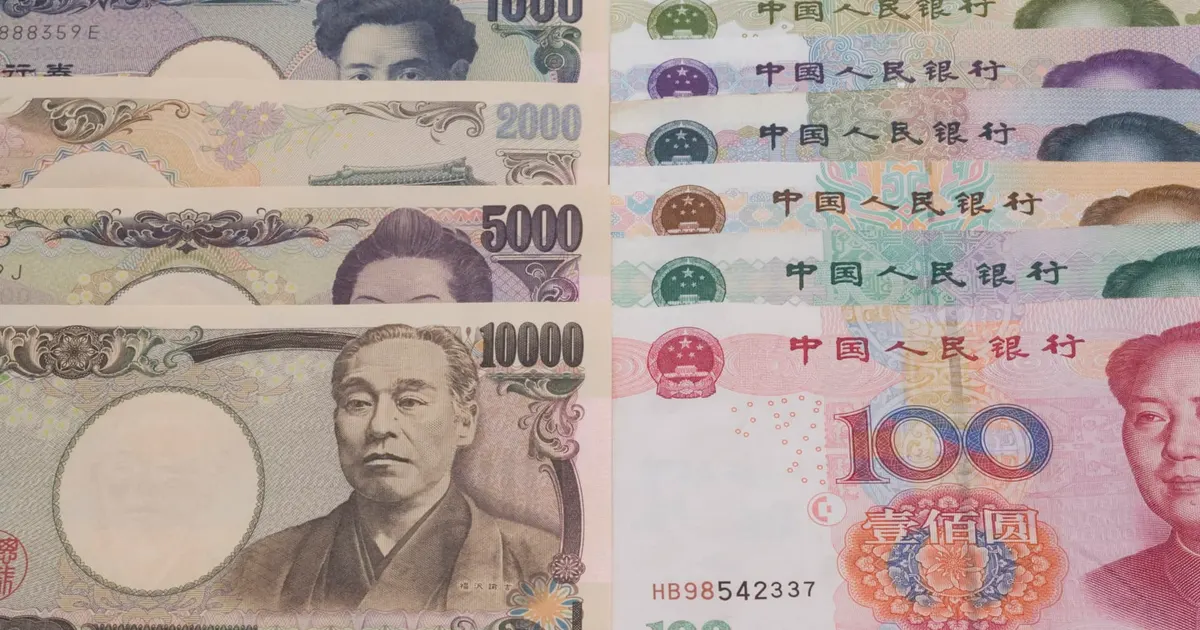
The yuan fell to 6.92 per dollar, its weakest since December, as China announced higher tariffs on $60 billion of US goods after the US raised tariffs on $200 billion of Chinese products. Concerns grew that China might sell its Treasury holdings as leverage.
Retaliatory tariffs on US goods threaten US farm export demand, particularly soybeans, and a weaker yuan makes US agricultural imports more expensive for Chinese buyers, pressuring US feed grain and soybean prices.
 cnbc.comReuters13 พ.ค. 2562
หลัง 803 เหตุการณ์การค้าที่ขาลงในอดีต ถั่วเหลือง เคลื่อนไหวเฉลี่ย +0.0% ใน 5 วันทำการ (51% สูงขึ้น; ช่วงกลาง -1.7% ถึง +1.7%) และ +0.9% ใน 20 วัน.
หลัง 683 เหตุการณ์การค้าที่ขาลงในอดีต ข้าวโพด เคลื่อนไหวเฉลี่ย -0.2% ใน 5 วันทำการ (47% สูงขึ้น; ช่วงกลาง -1.7% ถึง +1.6%) และ +0.3% ใน 20 วัน.
หลัง 40 เหตุการณ์การค้าที่ขาขึ้นในอดีต หยวนจีน (CNY ต่อ USD) เคลื่อนไหวเฉลี่ย +0.6% ใน 5 วันทำการ (75% สูงขึ้น; ช่วงกลาง +0.0% ถึง +1.4%) และ +1.1% ใน 20 วัน.
การเคลื่อนไหวของราคาอ้างอิงของแต่ละสินค้านับจากการปิดตลาดครั้งสุดท้ายก่อนเหตุการณ์ ข้อมูลย้อนหลังรวมเหตุการณ์ชนิดเดียวกันในอดีต ซึ่งบอกสิ่งที่เกิดขึ้น ไม่ได้บอกสิ่งที่จะเกิด ไม่ใช่คำแนะนำการลงทุน
On 2019-05-13 the yuan fell to about 6.92 per dollar, its weakest since December, after China announced retaliatory tariffs on $60B of US goods, which directly explains the 0.80% one-day move.
China's tariff hike on $60B of US goods on May 13 is the main trade shock hitting soybean demand expectations.
