กำลังโหลด…
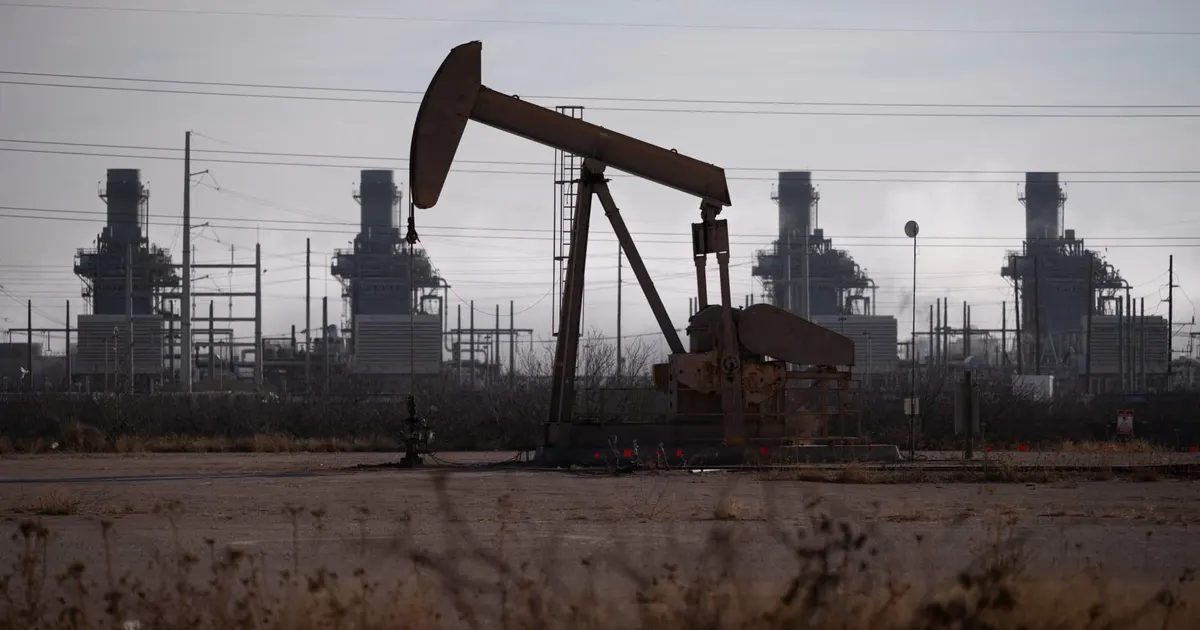
US crude futures fell more than 6% on April 4 to about $62.72 a barrel, touching below $61 intraday, the lowest since 2021. The decline followed tariff announcements seen raising recession risks and OPEC+ production hikes.
Weaker economic growth expectations and a bigger OPEC+ supply outlook reduce crude demand prospects, pressuring energy prices and lowering input costs for feed and fuel.
 cnbc.comJesse Pound4 เม.ย. 2568
หลัง 565 เหตุการณ์มหภาคที่ขาลงในอดีต น้ำมันดิบ (WTI) เคลื่อนไหวเฉลี่ย -1.4% ใน 5 วันทำการ (41% สูงขึ้น; ช่วงกลาง -5.9% ถึง +3.0%) และ -0.5% ใน 20 วัน.
หลัง 312 เหตุการณ์มหภาคที่ขาลงในอดีต น้ำมันดิบ (Brent) เคลื่อนไหวเฉลี่ย -1.7% ใน 5 วันทำการ (38% สูงขึ้น; ช่วงกลาง -5.4% ถึง +2.3%) และ -1.7% ใน 20 วัน.
หลัง 79 เหตุการณ์มหภาคที่ขาลงในอดีต ULSD / ดีเซล เคลื่อนไหวเฉลี่ย -1.0% ใน 5 วันทำการ (39% สูงขึ้น; ช่วงกลาง -5.7% ถึง +1.7%) และ -1.5% ใน 20 วัน.
การเคลื่อนไหวของราคาอ้างอิงของแต่ละสินค้านับจากการปิดตลาดครั้งสุดท้ายก่อนเหตุการณ์ ข้อมูลย้อนหลังรวมเหตุการณ์ชนิดเดียวกันในอดีต ซึ่งบอกสิ่งที่เกิดขึ้น ไม่ได้บอกสิ่งที่จะเกิด ไม่ใช่คำแนะนำการลงทุน
WTI fell more than 6% to a multi-year low on recession fears and OPEC+ supply hikes, which dragged down ULSD.
Apr 4 crude drop on recession fears and OPEC+ hikes, consistent with the window's demand and supply drivers.
US crude fell over 6% to the lowest since 2021 on recession risk and OPEC+ hikes, which supports the same demand and supply drivers.
US crude fell over 6% on April 4 on recession risk and OPEC+ hikes.
