กำลังโหลด…
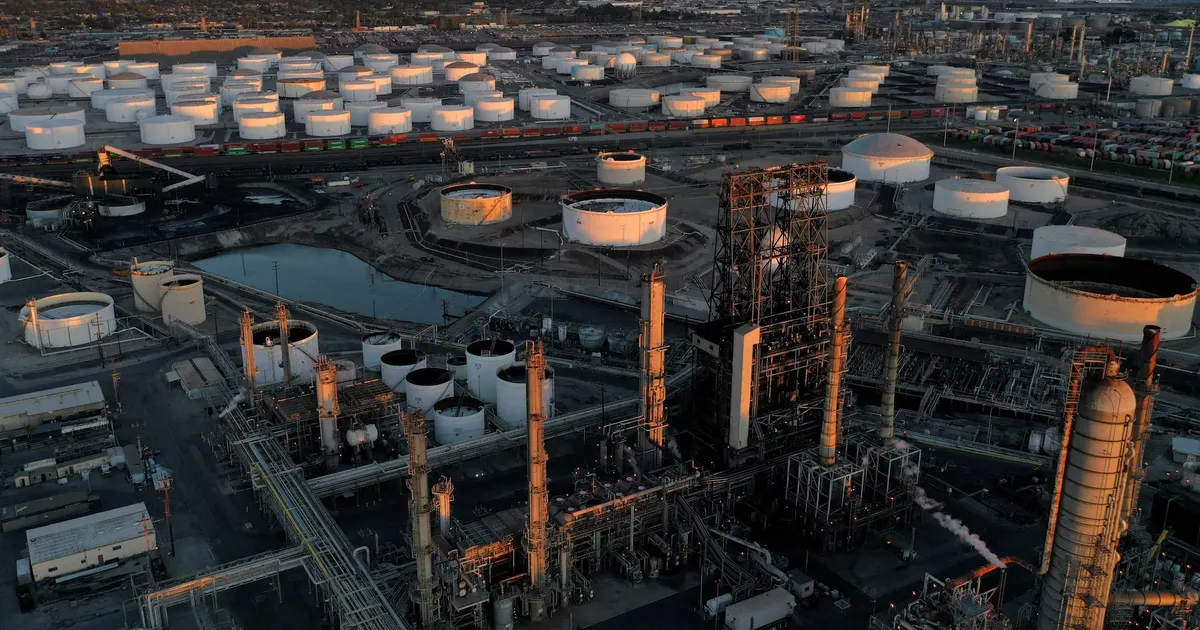
Oil fell about 9% on Tuesday, its biggest daily drop since March, as fears of a global recession and COVID lockdowns in China grew. WTI crude was among the benchmarks that slid sharply.
Expectations of weaker energy demand lower diesel and crude costs, which eases feed transport and processing costs but signals softer broader commodity demand.
 reuters.comLaila Kearney5 ก.ค. 2565
หลัง 565 เหตุการณ์มหภาคที่ขาลงในอดีต น้ำมันดิบ (WTI) เคลื่อนไหวเฉลี่ย -1.4% ใน 5 วันทำการ (41% สูงขึ้น; ช่วงกลาง -5.9% ถึง +3.0%) และ -0.5% ใน 20 วัน.
หลัง 312 เหตุการณ์มหภาคที่ขาลงในอดีต น้ำมันดิบ (Brent) เคลื่อนไหวเฉลี่ย -1.7% ใน 5 วันทำการ (38% สูงขึ้น; ช่วงกลาง -5.4% ถึง +2.3%) และ -1.7% ใน 20 วัน.
หลัง 79 เหตุการณ์มหภาคที่ขาลงในอดีต ULSD / ดีเซล เคลื่อนไหวเฉลี่ย -1.0% ใน 5 วันทำการ (39% สูงขึ้น; ช่วงกลาง -5.7% ถึง +1.7%) และ -1.5% ใน 20 วัน.
การเคลื่อนไหวของราคาอ้างอิงของแต่ละสินค้านับจากการปิดตลาดครั้งสุดท้ายก่อนเหตุการณ์ ข้อมูลย้อนหลังรวมเหตุการณ์ชนิดเดียวกันในอดีต ซึ่งบอกสิ่งที่เกิดขึ้น ไม่ได้บอกสิ่งที่จะเกิด ไม่ใช่คำแนะนำการลงทุน
Reports the oil plunge on July 5, the biggest daily drop since March, driven by global recession and China lockdown fears (demand destruction).
Oil's biggest daily drop since March on recession and China lockdown demand fears directly drove the diesel sell-off.
