กำลังโหลด…
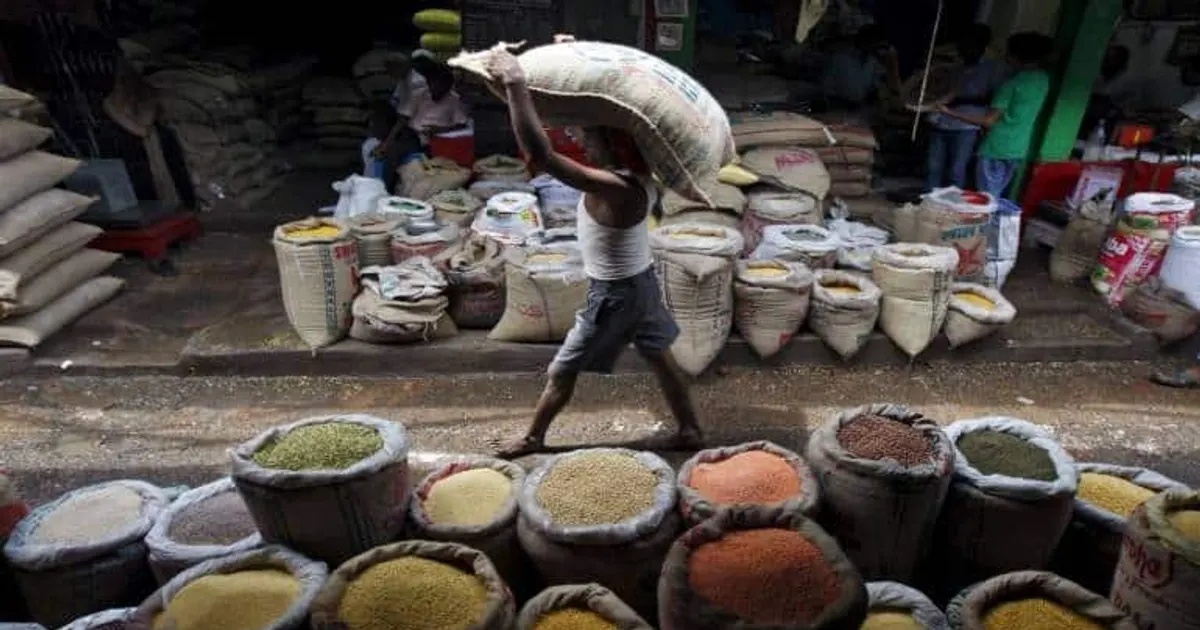
The Indian government may lift the ban on pulse exports in place since 2006-07, possibly starting with one or two pulses. The move is intended to clear a domestic glut and a price crash after arhar prices fell from above Rs 200 per kg in 2015 to below Rs 80.
Opening exports would move surplus Indian pulses onto world markets, which could ease global pulse prices. No tracked commodity symbol directly covers pulses.
 moneycontrol.com31 ก.ค. 2560
หลัง 468 เหตุการณ์ นโยบายในอดีต ข้าวเปลือก เคลื่อนไหวเฉลี่ย +0.3% ใน 5 วันทำการ (53% สูงขึ้น; ช่วงกลาง -2.0% ถึง +2.0%) และ +0.1% ใน 20 วัน.
หลัง 1,019 เหตุการณ์ นโยบายในอดีต ข้าวสาลี (SRW) เคลื่อนไหวเฉลี่ย -0.1% ใน 5 วันทำการ (49% สูงขึ้น; ช่วงกลาง -1.7% ถึง +1.5%) และ +0.2% ใน 20 วัน.
การเคลื่อนไหวของราคาอ้างอิงของแต่ละสินค้านับจากการปิดตลาดครั้งสุดท้ายก่อนเหตุการณ์ ข้อมูลย้อนหลังรวมเหตุการณ์ชนิดเดียวกันในอดีต ซึ่งบอกสิ่งที่เกิดขึ้น ไม่ได้บอกสิ่งที่จะเกิด ไม่ใช่คำแนะนำการลงทุน
