กำลังโหลด…
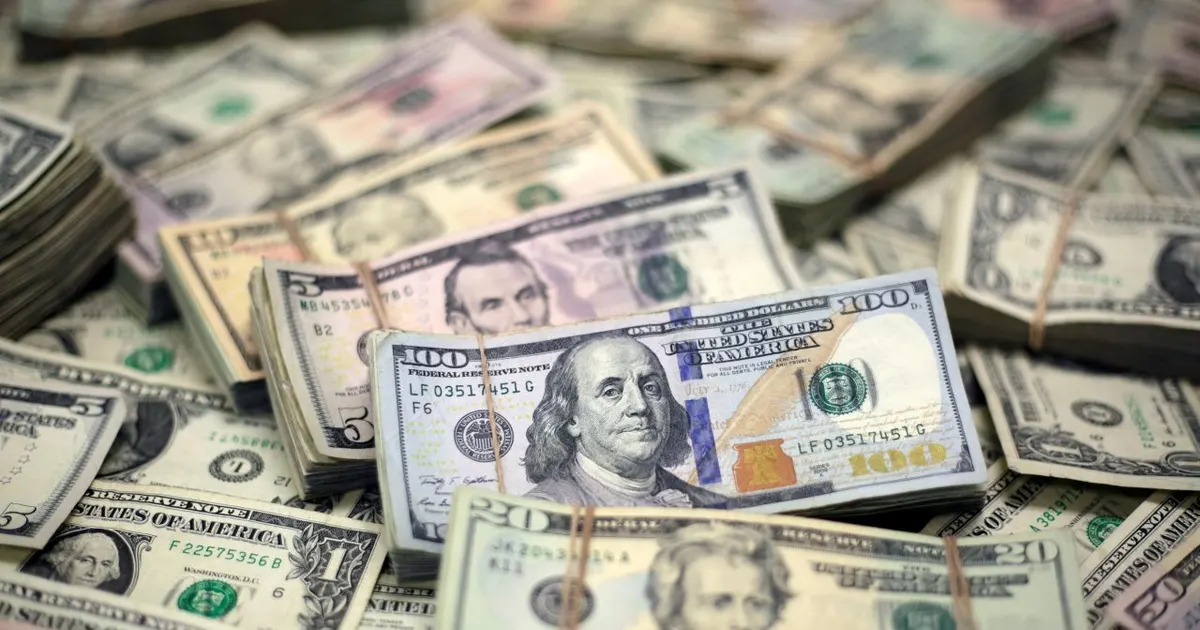
The US dollar has fallen 11% since late 2016 against its main trading partners and is down 2.7% so far this year on the WSJ Dollar Index. The decline is surprising many on Wall Street, which had expected dollar strength from Federal Reserve rate increases widening yield gaps over German bunds.
A weaker dollar generally lifts dollar-denominated grain and feed prices and improves US export competitiveness. The decline runs against the rate-differential expectations many traders hold, so feed buyers should not assume a reversal.
 wsj.comChelsey Dulaney25 ก.พ. 2561
หลัง 1,637 เหตุการณ์มหภาคที่ขาลงในอดีต ดอลลาร์สหรัฐ (ดัชนีกว้าง) เคลื่อนไหวเฉลี่ย -0.2% ใน 5 วันทำการ (39% สูงขึ้น; ช่วงกลาง -0.6% ถึง +0.3%) และ -0.2% ใน 20 วัน.
การเคลื่อนไหวของราคาอ้างอิงของแต่ละสินค้านับจากการปิดตลาดครั้งสุดท้ายก่อนเหตุการณ์ ข้อมูลย้อนหลังรวมเหตุการณ์ชนิดเดียวกันในอดีต ซึ่งบอกสิ่งที่เกิดขึ้น ไม่ได้บอกสิ่งที่จะเกิด ไม่ใช่คำแนะนำการลงทุน
