กำลังโหลด…
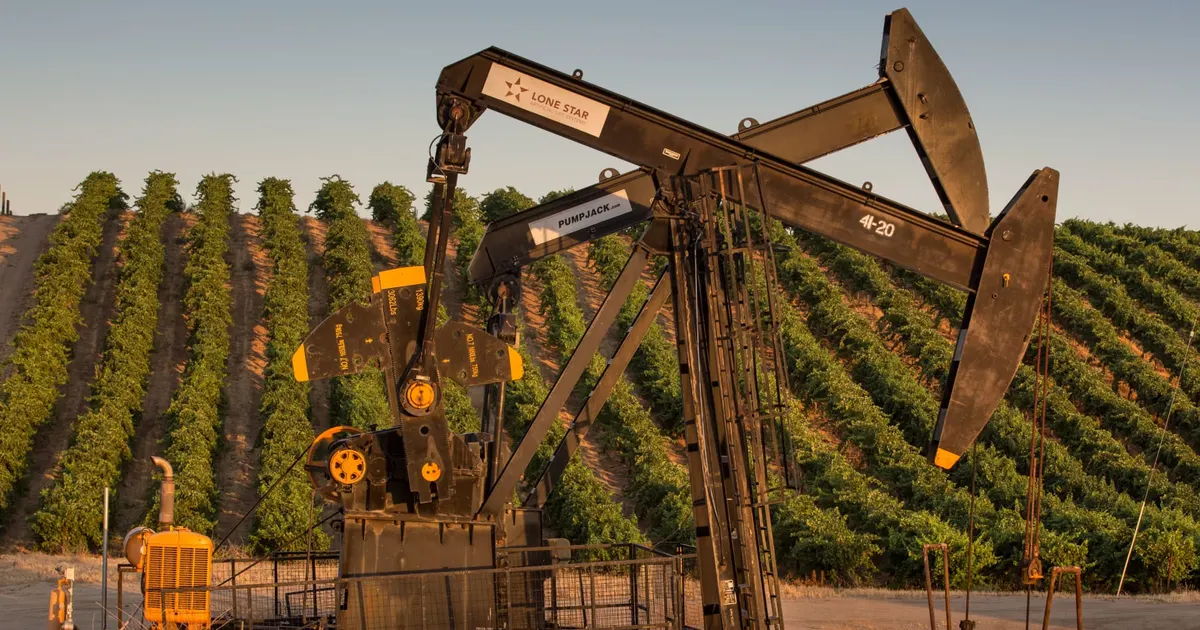
Citi said oil, currently near $100 a barrel, could fall to the $60s by the end of 2022 if a recession takes hold. The bank expects demand declines to create surpluses that push prices down until supply is cut.
A forecast of sharply lower crude prices in a recession scenario signals downside risk to energy and freight costs, though it is a scenario rather than a realized supply or demand change.
 cnbc.comPippa Stevens5 ก.ค. 2565
หลัง 565 เหตุการณ์มหภาคที่ขาลงในอดีต น้ำมันดิบ (WTI) เคลื่อนไหวเฉลี่ย -1.4% ใน 5 วันทำการ (41% สูงขึ้น; ช่วงกลาง -5.9% ถึง +3.0%) และ -0.5% ใน 20 วัน.
หลัง 312 เหตุการณ์มหภาคที่ขาลงในอดีต น้ำมันดิบ (Brent) เคลื่อนไหวเฉลี่ย -1.7% ใน 5 วันทำการ (38% สูงขึ้น; ช่วงกลาง -5.4% ถึง +2.3%) และ -1.7% ใน 20 วัน.
การเคลื่อนไหวของราคาอ้างอิงของแต่ละสินค้านับจากการปิดตลาดครั้งสุดท้ายก่อนเหตุการณ์ ข้อมูลย้อนหลังรวมเหตุการณ์ชนิดเดียวกันในอดีต ซึ่งบอกสิ่งที่เกิดขึ้น ไม่ได้บอกสิ่งที่จะเกิด ไม่ใช่คำแนะนำการลงทุน
Citi's call that oil could drop to the $60s in a recession was a bearish sentiment catalyst on the day.
