กำลังโหลด…
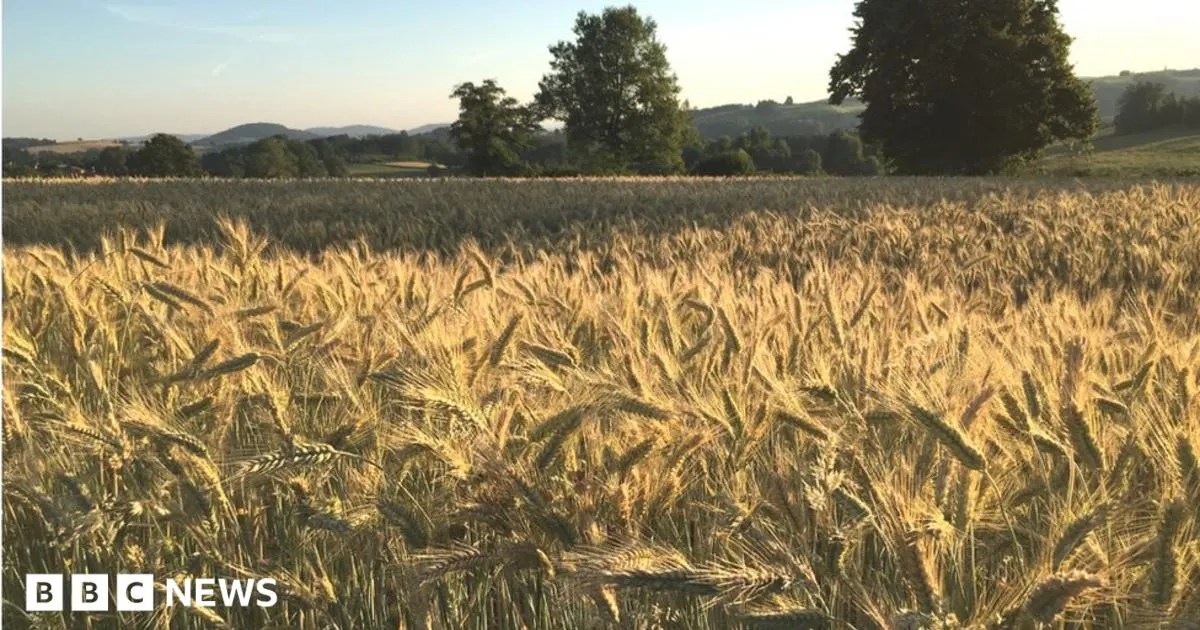
Wheat production is down and prices have risen after widespread weather disruption, with barley yields down much more sharply. The International Grains Council estimates global grain production will fall about 2% this year, and China's tariffs on US soybeans are affecting trade flows.
Lower global grain output and reduced barley supply raise feed ingredient costs, while tariff-driven soybean trade shifts add demand uncertainty.
 bbc.co.ukDouglas Fraser28 ก.ค. 2561
ยังมีเหตุการณ์ในอดีตที่เทียบได้ไม่เพียงพอสำหรับการอ่านข้อมูลย้อนหลัง
หลัง 1,072 เหตุการณ์สภาพอากาศที่ขาขึ้นในอดีต ข้าวสาลี (SRW) เคลื่อนไหวเฉลี่ย +0.2% ใน 5 วันทำการ (55% สูงขึ้น; ช่วงกลาง -1.4% ถึง +2.3%) และ +0.3% ใน 20 วัน.
หลัง 363 เหตุการณ์สภาพอากาศที่ขาลงในอดีต ถั่วเหลือง เคลื่อนไหวเฉลี่ย -0.6% ใน 5 วันทำการ (42% สูงขึ้น; ช่วงกลาง -2.5% ถึง +1.1%) และ -0.2% ใน 20 วัน.
การเคลื่อนไหวของราคาอ้างอิงของแต่ละสินค้านับจากการปิดตลาดครั้งสุดท้ายก่อนเหตุการณ์ ข้อมูลย้อนหลังรวมเหตุการณ์ชนิดเดียวกันในอดีต ซึ่งบอกสิ่งที่เกิดขึ้น ไม่ได้บอกสิ่งที่จะเกิด ไม่ใช่คำแนะนำการลงทุน
Published 2 days before the move, it describes weather disruption cutting global grain output with barley yields down far more than wheat, which supports a supply-driven rally but is largely already-known background.
