กำลังโหลด…
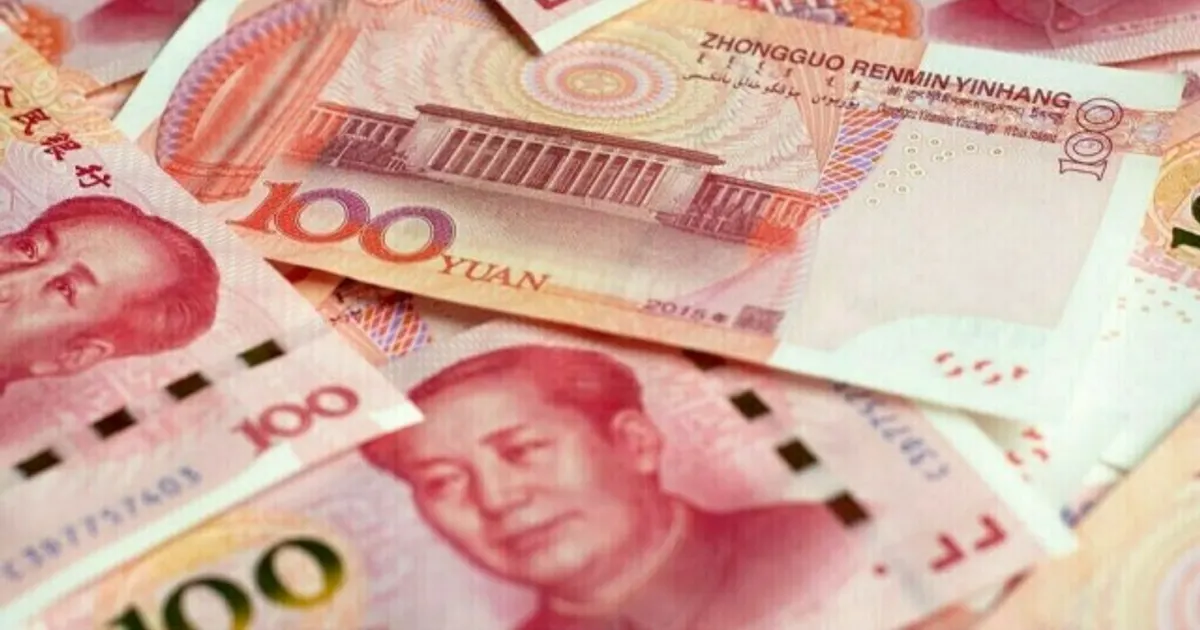
The yuan touched a more than two-year low against the dollar on Sept. 5, pressured by broad dollar strength and a resurgence of COVID-19 infections.
Shenzhen adopted tiered anti-virus restrictions and Chengdu extended lockdown curbs, while the PBOC set firmer-than-expected fixings.
Renewed COVID restrictions weaken Chinese economic activity and feed demand, and a weaker yuan raises the dollar cost of imports, both bearish for feed ingredient purchases.
 brecorder.comReuters5 ก.ย. 2565
หลัง 487 เหตุการณ์ขาขึ้นทุกประเภทในอดีต หยวนจีน (CNY ต่อ USD) เคลื่อนไหวเฉลี่ย +0.1% ใน 5 วันทำการ (56% สูงขึ้น; ช่วงกลาง -0.3% ถึง +0.6%) และ +0.1% ใน 20 วัน.
หลัง 50 เหตุการณ์โรคระบาดที่ขาลงในอดีต ถั่วเหลือง เคลื่อนไหวเฉลี่ย +0.5% ใน 5 วันทำการ (58% สูงขึ้น; ช่วงกลาง -1.7% ถึง +2.4%) และ +0.0% ใน 20 วัน.
หลัง 117 เหตุการณ์โรคระบาดที่ขาลงในอดีต สุกรเนื้อแดง เคลื่อนไหวเฉลี่ย -0.6% ใน 5 วันทำการ (36% สูงขึ้น; ช่วงกลาง -2.2% ถึง +1.6%) และ +1.2% ใน 20 วัน.
การเคลื่อนไหวของราคาอ้างอิงของแต่ละสินค้านับจากการปิดตลาดครั้งสุดท้ายก่อนเหตุการณ์ ข้อมูลย้อนหลังรวมเหตุการณ์ชนิดเดียวกันในอดีต ซึ่งบอกสิ่งที่เกิดขึ้น ไม่ได้บอกสิ่งที่จะเกิด ไม่ใช่คำแนะนำการลงทุน
Dollar strength and COVID resurgence pushed the yuan to a two-year low on Sept. 5, setting the extreme starting point for the sharp reversal and contributing to the volatility.
