กำลังโหลด…
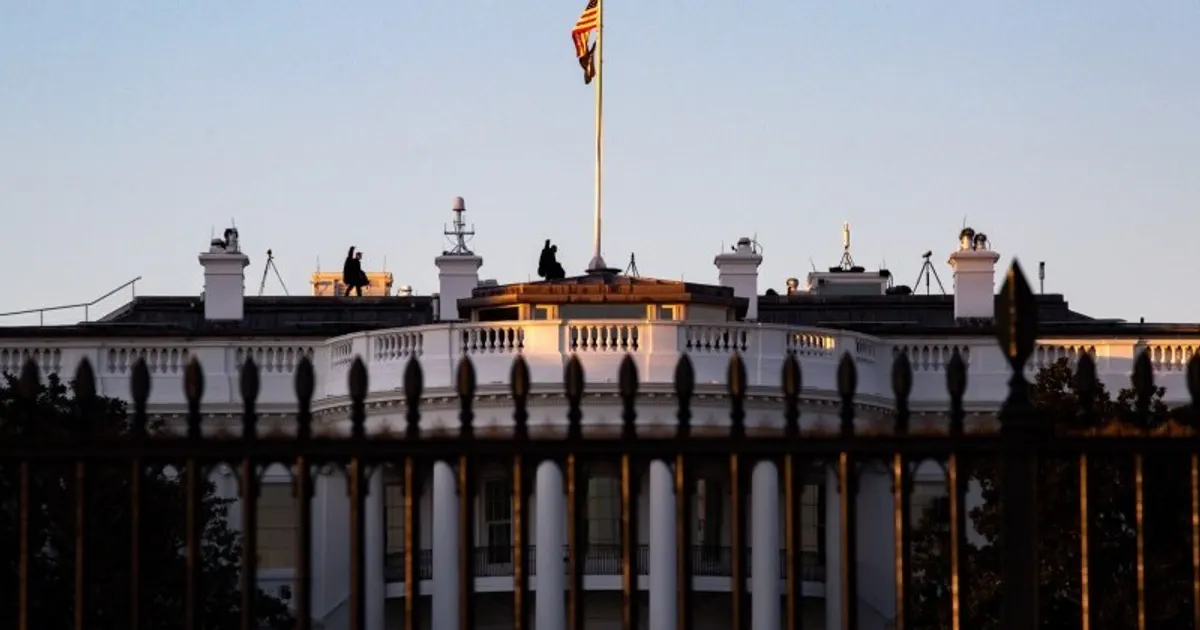
Oil prices fell below $100/bbl after the US and Iran agreed to a two-week ceasefire. Brent dropped as much as 16% to near $94, and WTI posted its steepest drop in almost six years.
European diesel futures fell as much as 23%, with the API reporting a larger-than-expected US crude build.
The ceasefire eases fears of prolonged Strait of Hormuz disruption, reducing crude and diesel price support and lowering energy input costs for feed production, transport and fertilizer. Prices will depend on whether talks produce a durable deal and normal strait flows.
 think.ing.comEwa Manthey, Warren Patterson8 เม.ย. 2569
หลัง 250 เหตุการณ์ภูมิรัฐศาสตร์ที่ขาลงในอดีต น้ำมันดิบ (Brent) เคลื่อนไหวเฉลี่ย -3.1% ใน 5 วันทำการ (36% สูงขึ้น; ช่วงกลาง -7.9% ถึง +1.6%) และ -5.5% ใน 20 วัน.
หลัง 255 เหตุการณ์ภูมิรัฐศาสตร์ที่ขาลงในอดีต น้ำมันดิบ (WTI) เคลื่อนไหวเฉลี่ย -2.4% ใน 5 วันทำการ (31% สูงขึ้น; ช่วงกลาง -7.0% ถึง +1.7%) และ -5.0% ใน 20 วัน.
หลัง 51 เหตุการณ์ภูมิรัฐศาสตร์ที่ขาลงในอดีต ULSD / ดีเซล เคลื่อนไหวเฉลี่ย -2.4% ใน 5 วันทำการ (37% สูงขึ้น; ช่วงกลาง -8.2% ถึง +3.9%) และ -2.3% ใน 20 วัน.
การเคลื่อนไหวของราคาอ้างอิงของแต่ละสินค้านับจากการปิดตลาดครั้งสุดท้ายก่อนเหตุการณ์ ข้อมูลย้อนหลังรวมเหตุการณ์ชนิดเดียวกันในอดีต ซึ่งบอกสิ่งที่เกิดขึ้น ไม่ได้บอกสิ่งที่จะเกิด ไม่ใช่คำแนะนำการลงทุน
US-Iran two-week ceasefire sent oil below $100 and European diesel futures down as much as 23%, directly driving the ULSD collapse on April 8.
European diesel futures fell as much as 23% and oil slumped below $100 on the ceasefire, directly transmitting to ULSD benchmarks.
