Загрузка…
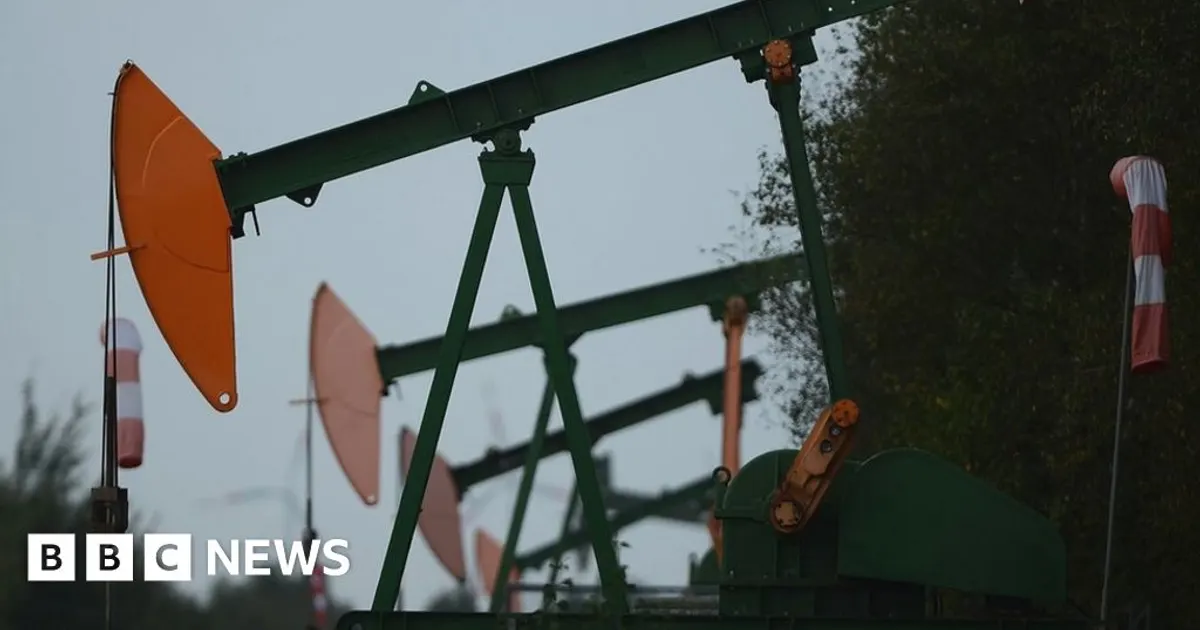
US oil prices turned negative for the first time, with WTI falling as low as minus $37.63 a barrel. Producers paid buyers to take crude as storage capacity was expected to run out, while lockdowns had dried up demand.
The negative price reflects a storage-driven glut from lockdown-driven demand loss, signalling deep downward pressure on crude. Lower energy prices reduce input costs but also weaken biofuel economics that support vegetable oil and grain demand.
 bbc.comAdd as preferred on Google20 апр. 2020 г.
После 565 прошлых событий (события «макро»: медвежий) Нефть (WTI) в среднем изменился на -1,4 % за 5 сессий (41% вверх; средняя половина от -5,9 % до +3,0 %) и на -0,5 % за 20.
После 312 прошлых событий (события «макро»: медвежий) Нефть (Brent) в среднем изменился на -1,7 % за 5 сессий (38% вверх; средняя половина от -5,4 % до +2,3 %) и на -1,7 % за 20.
Изменения бенчмарка каждого товара относительно последнего закрытия до события. Исторические данные объединяют прошлые события того же типа; они описывают случившееся, а не то, что произойдёт. Не является инвестиционной рекомендацией.
WTI turning negative on 20 April signaled storage exhaustion and demand collapse, spilling over into Brent via sentiment and a rush out of futures.
WTI going negative on Apr 20 triggered contagion and panic into Brent, with the storage shortage signaling the same glut risk globally.
