Carregando…
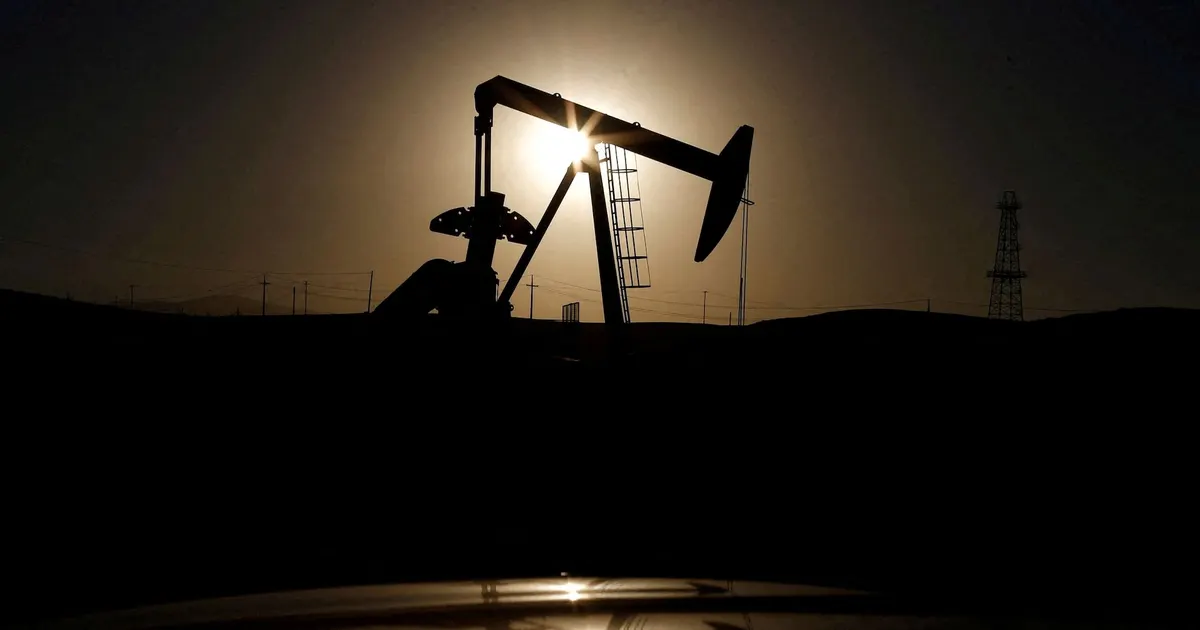
Oil prices spiked and then crashed in March 2022, driven by medium-term fundamentals, strain from disruption to Russian oil exports, and thin market liquidity. The short-term trigger for the sell-off was improved prospects for a truce between Russia and Ukraine.
Extreme crude volatility transmits directly into diesel and energy costs for feed mills and farms, and a Russia-Ukraine truce would ease supply fears that had supported grain and oilseed prices.
 reuters.comJohn Kemp17 de mar. de 2022
Após 255 eventos baixista de geopolítica passados, Petróleo (WTI) subiu em mediana -2,4% em 5 sessões (31% de alta; metade central de -7,0% a +1,7%), e -5,0% em 20.
Após 250 eventos baixista de geopolítica passados, Petróleo (Brent) subiu em mediana -3,1% em 5 sessões (36% de alta; metade central de -7,9% a +1,6%), e -5,5% em 20.
Após 51 eventos baixista de geopolítica passados, ULSD / Diesel subiu em mediana -2,4% em 5 sessões (37% de alta; metade central de -8,2% a +3,9%), e -2,3% em 20.
Variações do benchmark de cada commodity desde o último fechamento antes do evento. As leituras históricas agregam eventos passados do mesmo tipo; descrevem o que aconteceu, não o que vai acontecer. Não é recomendação de investimento.
The sell-off was triggered by improved truce prospects and aggravated by thin liquidity, explaining the sharp collapse.
Explains the crash as unwinding of a spike on thin liquidity, with improved truce prospects as the trigger.
The sell-off was attributed to improved truce prospects and thin liquidity, which amplified the downward move.
The mid-March sell-off on truce hopes created the depressed starting level, so the following rebound was large in percentage terms.
