불러오는 중…
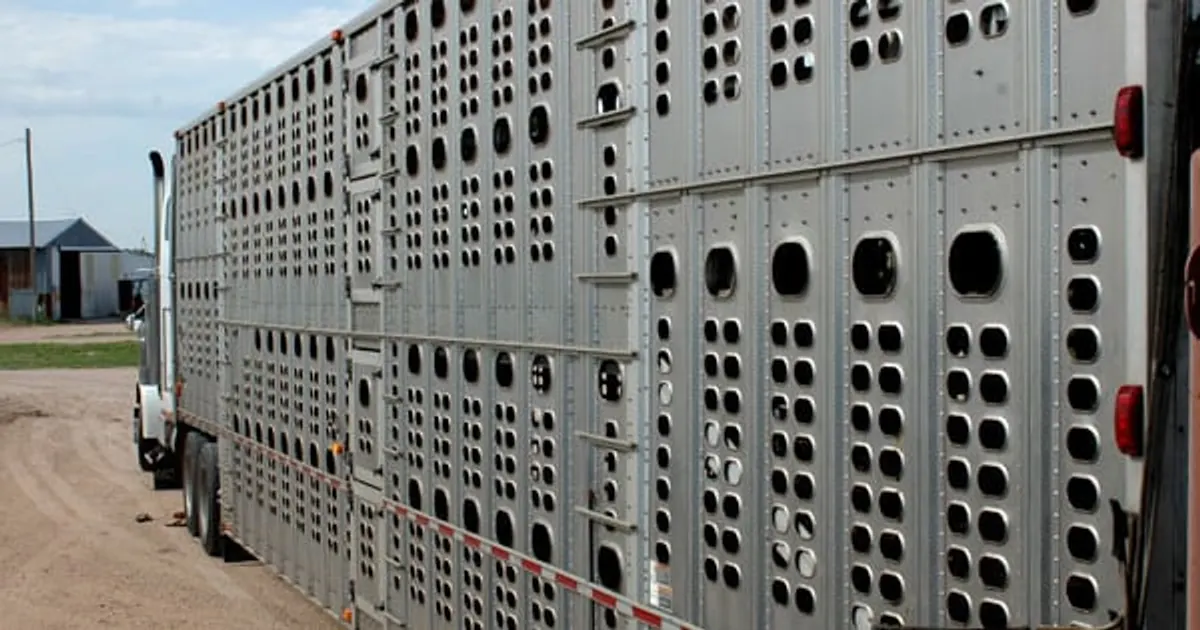
The Tyson Foods Finney County beef plant in Holcomb, Kansas, was partly destroyed by fire on August 10, and cattle futures fell limit down on the Monday after. Analysts estimated the lost slaughter capacity at roughly 30,000 head per week, about 6% of U.S. fed cattle packing capacity.
The plant accounted for about 23.5% of Kansas fed cattle packing capacity.
The loss of weekly slaughter capacity disrupts both fed cattle and boxed beef markets, adding logistics costs for rerouting cattle and beef. Those costs and the shortfall in packing capacity weigh on live cattle and feeder cattle prices.
 beefmagazine.comWes Ishmael2019. 8. 13.
과거 하락 물류 이벤트 29건 이후, 생우은 5거래일 동안 중앙값 -0.3% 변동(상승 38%; 중간 50% 범위 -2.0%~+0.5%), 20거래일 동안 -3.7%.
과거 하락 물류 이벤트 20건 이후, 비육용 소은 5거래일 동안 중앙값 +1.3% 변동(상승 60%; 중간 50% 범위 -0.7%~+2.0%), 20거래일 동안 +2.1%.
각 품목 벤치마크의 이벤트 직전 종가 대비 변동. 과거 수치는 같은 유형의 과거 이벤트를 합산한 것으로, 일어난 일을 설명할 뿐 앞으로 일어날 일이 아닙니다. 투자 자문이 아닙니다.
The Aug 10 Tyson Holcomb plant fire removed roughly 6% of U.S. fed cattle packing capacity, cutting demand for cattle and sending futures limit down on Monday Aug 12, which directly explains the feeder cattle drop.
Tyson Holcomb fire removed roughly 6% of US fed cattle packing capacity, and live cattle futures went limit down, which directly explains the 5-day drop.
The Aug 10 Tyson Holcomb plant fire removed roughly 6% of US fed cattle packing capacity, and futures went limit down on Monday Aug 12, so reduced slaughter demand for live cattle explains the drop.
The Tyson Holcomb plant fire removed roughly 6% of U.S. fed cattle packing capacity, which cut packer demand for cattle and pushed futures limit down, so feeder cattle fell sharply.
