불러오는 중…
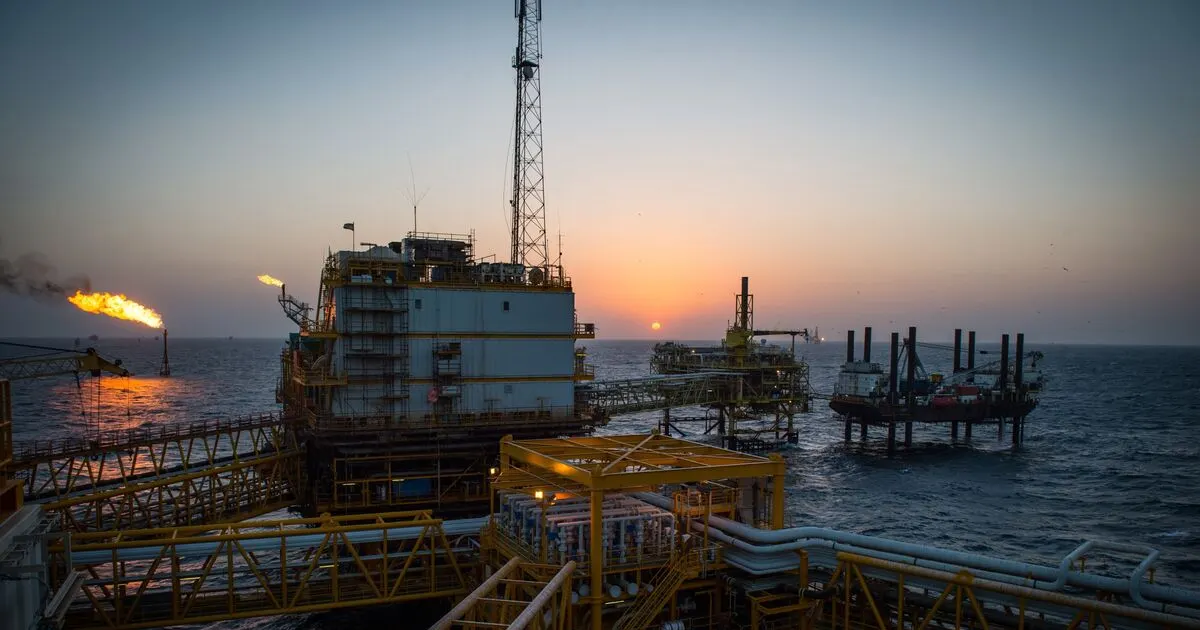
New York oil futures sank to their lowest levels in a year as oil demand in China, the world's largest importer, reportedly fell by about 3 million barrels a day. The drop was attributed to people with inside knowledge of the country's energy sector.
A roughly 3 million barrel per day demand loss is a large share of global consumption, which pressures crude and diesel prices lower. Weaker energy prices also reduce the cost advantage for biofuel feedstocks.
 bloomberg.comJackie Davalos2020. 2. 3.
과거 하락 질병 이벤트 32건 이후, 원유 (WTI)은 5거래일 동안 중앙값 -5.2% 변동(상승 13%; 중간 50% 범위 -15.0%~-2.4%), 20거래일 동안 -5.7%.
과거 하락 질병 이벤트 26건 이후, 원유 (Brent)은 5거래일 동안 중앙값 -6.0% 변동(상승 15%; 중간 50% 범위 -13.3%~-2.0%), 20거래일 동안 -6.8%.
각 품목 벤치마크의 이벤트 직전 종가 대비 변동. 과거 수치는 같은 유형의 과거 이벤트를 합산한 것으로, 일어난 일을 설명할 뿐 앞으로 일어날 일이 아닙니다. 투자 자문이 아닙니다.
Reported ~3 mb/d drop in Chinese oil demand drove the Feb 3 slide to ~$50 WTI, a direct demand shock inside the window.
Same-day report of a reported ~3 mb/d fall in Chinese oil demand pushed futures sharply lower, a direct demand-shock mechanism.
