불러오는 중…
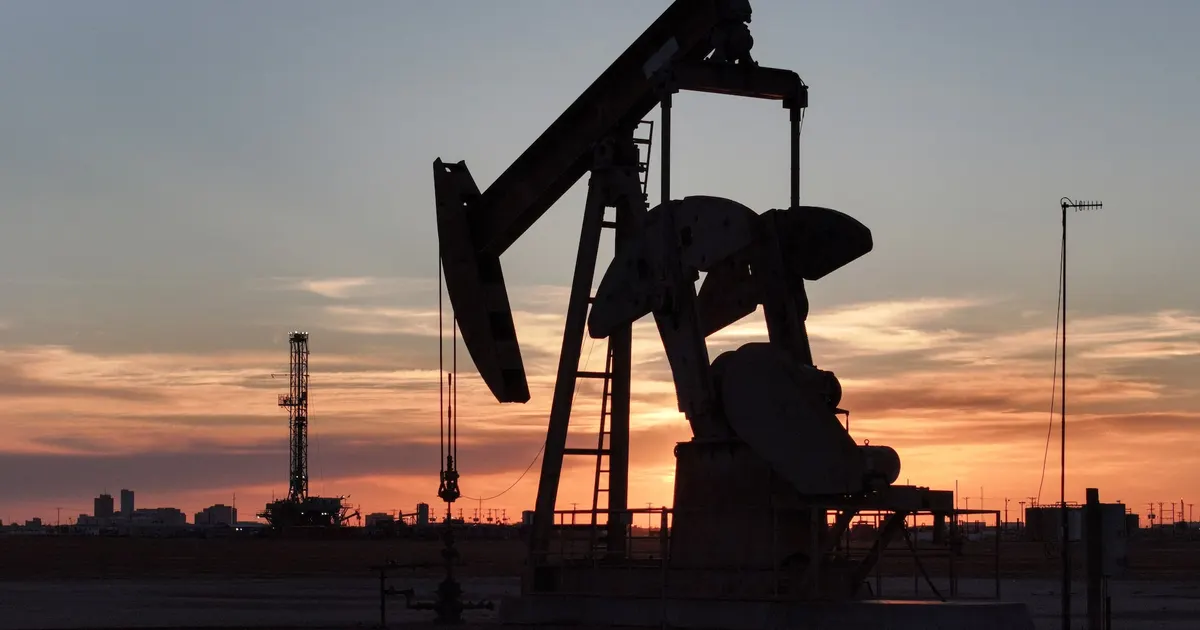
Oil settled up 9% as Iran vowed to keep the Strait of Hormuz closed. The IEA called it the biggest oil-supply disruption in market history and approved a record 400 million barrel strategic stock release.
Middle East Gulf output has been cut by at least 10 million barrels per day, and China banned refined fuel exports for March.
A cut of roughly 10 million barrels per day, nearly 10% of world demand, is a major supply shock that keeps crude and diesel prices elevated. Chinese fuel export ban and doubts over the stockpile release sustain upward pressure on energy costs.
 reuters.comSiddharth Cavale2026. 3. 12.
과거 상승 지정학 이벤트 656건 이후, 원유 (Brent)은 5거래일 동안 중앙값 +1.9% 변동(상승 63%; 중간 50% 범위 -2.7%~+6.6%), 20거래일 동안 +0.7%.
과거 상승 지정학 이벤트 626건 이후, 원유 (WTI)은 5거래일 동안 중앙값 +2.1% 변동(상승 62%; 중간 50% 범위 -2.3%~+8.5%), 20거래일 동안 +1.6%.
과거 상승 지정학 이벤트 250건 이후, ULSD / 디젤은 5거래일 동안 중앙값 +1.7% 변동(상승 58%; 중간 50% 범위 -3.6%~+8.7%), 20거래일 동안 +0.9%.
각 품목 벤치마크의 이벤트 직전 종가 대비 변동. 과거 수치는 같은 유형의 과거 이벤트를 합산한 것으로, 일어난 일을 설명할 뿐 앞으로 일어날 일이 아닙니다. 투자 자문이 아닙니다.
Same-day report of oil settling up 9% as Iran vowed to keep Hormuz closed, with the IEA calling it the biggest supply disruption ever and Gulf output cut by at least 10 mb/d; a direct supply driver.
Brent settled up ~9% on March 12 as Iran vowed to keep Hormuz closed and the IEA called it the biggest supply disruption ever, a major supply driver inside the 5-day window.
Oil up 9% on Mar 12 as Iran vowed to keep Hormuz closed, the IEA called it the biggest supply disruption ever, Gulf output was cut 10+ mb/d and China banned refined fuel exports, a direct supply shock inside the 5-day window.
Oil up 9% on March 12 as Iran vowed to keep Hormuz closed, with the IEA calling it the largest supply disruption ever and China banning refined fuel exports, which directly tightens diesel supply within the 5-day window.
