불러오는 중…
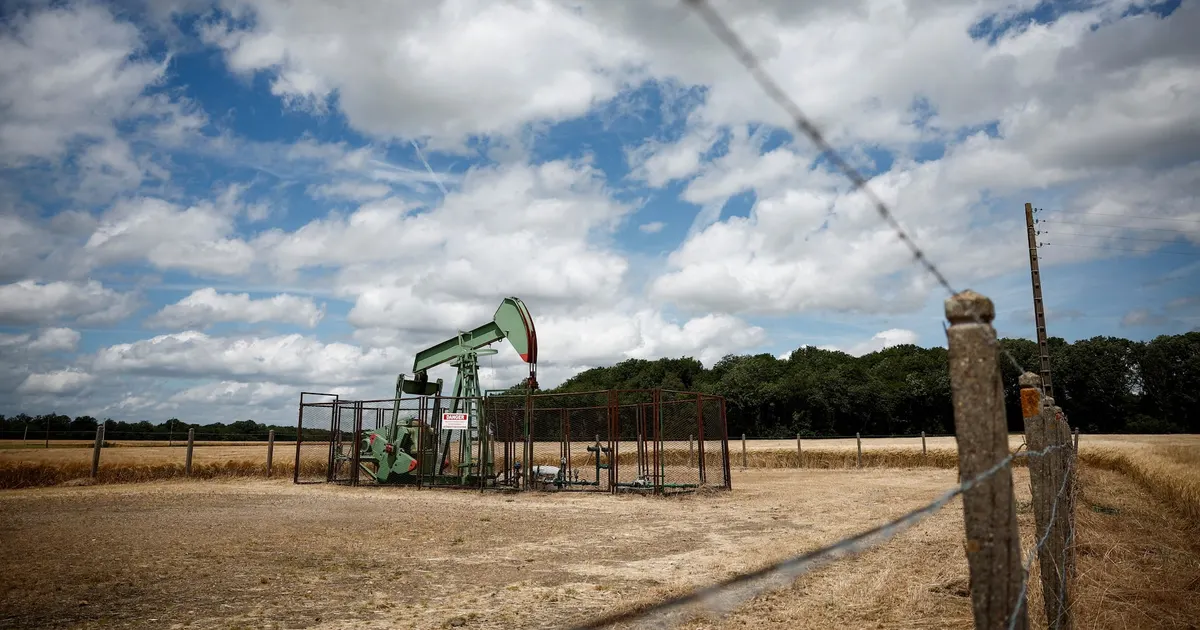
Brent crude settled at $74.23 a barrel, up 7.02%, on June 13 after Israel and Iran traded air strikes. Brent briefly rose over 13% to an intraday high of $78.50, its strongest level since January.
Investors feared the fighting could disrupt Middle East oil exports.
Fears of lost Middle East crude supply lift crude prices, which raises diesel and fuel costs for feed mills and transport. Higher crude also supports biofuel feedstock values, which can spill over into vegetable oil and corn prices.
 reuters.comErwin Seba2025. 6. 13.
과거 상승 지정학 이벤트 656건 이후, 원유 (Brent)은 5거래일 동안 중앙값 +1.9% 변동(상승 63%; 중간 50% 범위 -2.7%~+6.6%), 20거래일 동안 +0.7%.
과거 상승 지정학 이벤트 626건 이후, 원유 (WTI)은 5거래일 동안 중앙값 +2.1% 변동(상승 62%; 중간 50% 범위 -2.3%~+8.5%), 20거래일 동안 +1.6%.
각 품목 벤치마크의 이벤트 직전 종가 대비 변동. 과거 수치는 같은 유형의 과거 이벤트를 합산한 것으로, 일어난 일을 설명할 뿐 앞으로 일어날 일이 아닙니다. 투자 자문이 아닙니다.
Brent settled up 7% on June 13 (intraday +13%) after Israel-Iran air strikes, the main driver of the 5-day gain via Middle East supply-risk premium.
Brent settled up about 7% on June 13 as Israel and Iran traded strikes, which directly explains the move through Middle East supply-risk sentiment.
Brent settled up 7% at $74.23 after Israel and Iran traded strikes, with an intraday spike above 13%, which accounts for most of the weekly gain.
Brent settled up 7% as Israel and Iran traded strikes, reflecting fears of Middle East export disruption that lifted WTI in step.
