불러오는 중…
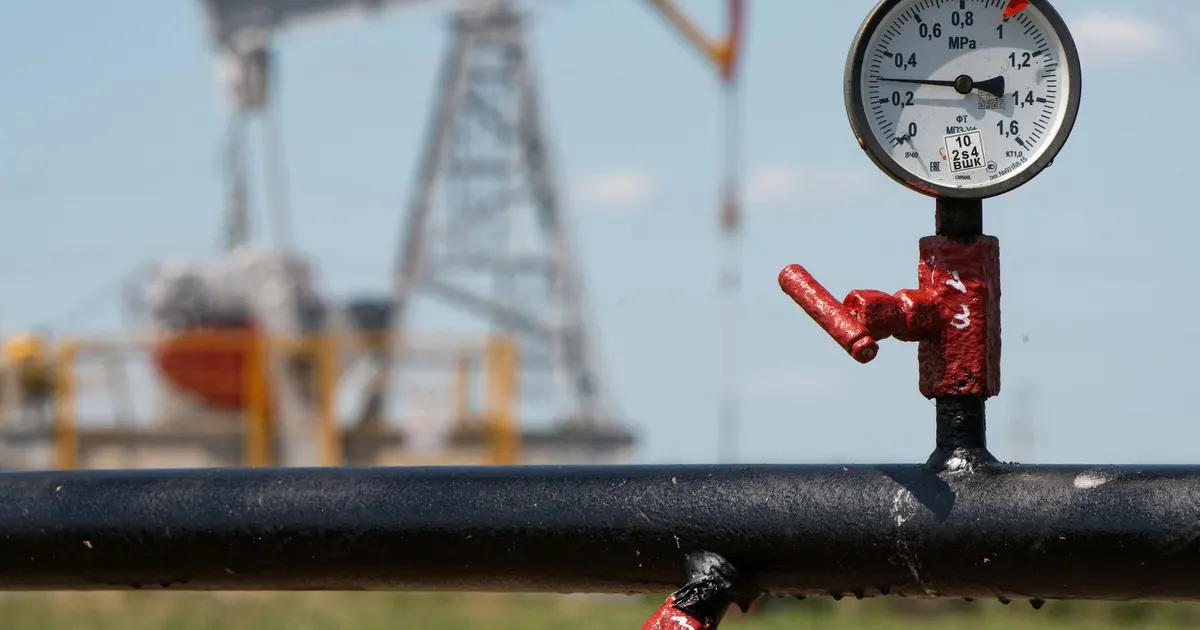
US crude futures jumped about 12% a barrel after the Strait of Hormuz was effectively closed for seven days. Roughly 140 million barrels of oil that normally transit the waterway each day have been disrupted.
Loss of Hormuz flows removes about a fifth of world oil supply, pushing crude and energy-linked input costs sharply higher. Higher diesel and fertilizer costs and freight rates raise the cost of feed production and shift demand toward substitutes.
 reuters.comErwin Seba2026. 3. 6.
과거 상승 지정학 이벤트 626건 이후, 원유 (WTI)은 5거래일 동안 중앙값 +2.1% 변동(상승 62%; 중간 50% 범위 -2.3%~+8.5%), 20거래일 동안 +1.6%.
과거 상승 지정학 이벤트 656건 이후, 원유 (Brent)은 5거래일 동안 중앙값 +1.9% 변동(상승 63%; 중간 50% 범위 -2.7%~+6.6%), 20거래일 동안 +0.7%.
과거 상승 지정학 이벤트 250건 이후, ULSD / 디젤은 5거래일 동안 중앙값 +1.7% 변동(상승 58%; 중간 50% 범위 -3.6%~+8.7%), 20거래일 동안 +0.9%.
과거 상승 지정학 이벤트 136건 이후, 천연가스은 5거래일 동안 중앙값 +2.7% 변동(상승 63%; 중간 50% 범위 -1.8%~+8.8%), 20거래일 동안 +4.0%.
각 품목 벤치마크의 이벤트 직전 종가 대비 변동. 과거 수치는 같은 유형의 과거 이벤트를 합산한 것으로, 일어난 일을 설명할 뿐 앞으로 일어날 일이 아닙니다. 투자 자문이 아닙니다.
Dated March 6, it reports a roughly 12% jump in US crude futures after Hormuz was effectively closed for seven days, a direct supply shock that Brent shared.
Effective seven-day Hormuz closure disrupting huge oil volumes pushed crude futures sharply higher on March 6.
WTI surged about 12% in a day after Hormuz was effectively closed for a week, disrupting large crude flows.
Effective Hormuz closure for seven days disrupted flows and lifted crude futures sharply.
