読み込み中…
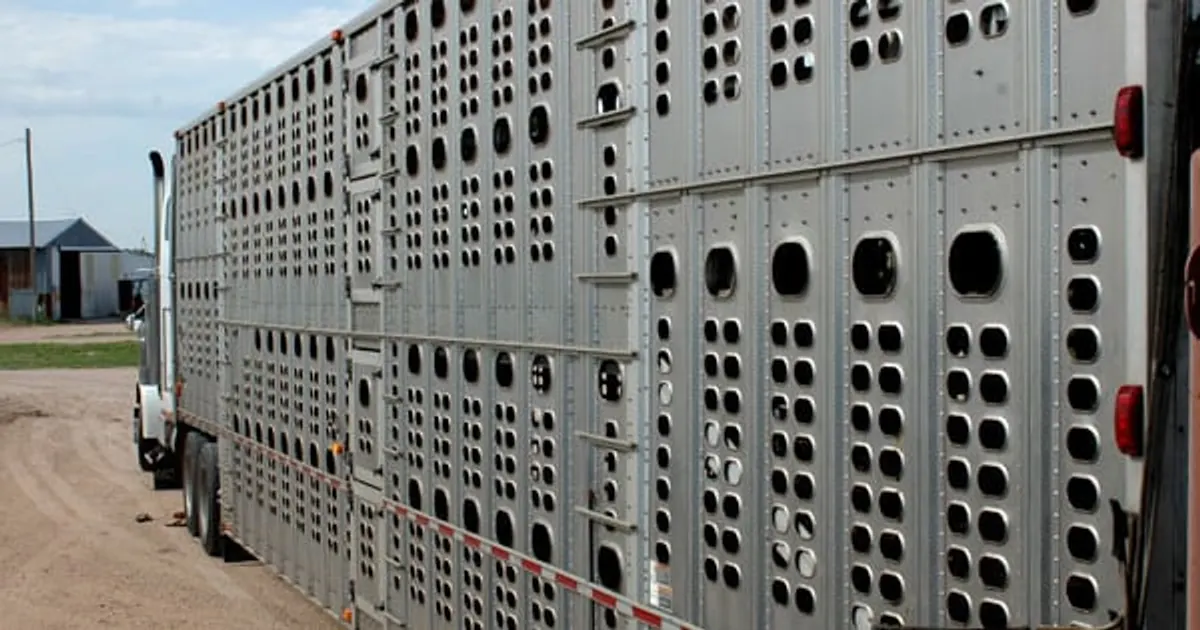
The Tyson Foods Finney County beef plant in Holcomb, Kansas, was partly destroyed by fire on August 10, and cattle futures fell limit down on the Monday after. Analysts estimated the lost slaughter capacity at roughly 30,000 head per week, about 6% of U.S. fed cattle packing capacity.
The plant accounted for about 23.5% of Kansas fed cattle packing capacity.
The loss of weekly slaughter capacity disrupts both fed cattle and boxed beef markets, adding logistics costs for rerouting cattle and beef. Those costs and the shortfall in packing capacity weigh on live cattle and feeder cattle prices.
 beefmagazine.comWes Ishmael2019/08/13
過去の弱気な物流イベント29件の後、生牛 は5営業日で中央値 -0.3% 動き(38% が上昇。中央50%は -2.0% から +0.5%)、20営業日では -3.7% 動きました。
過去の弱気な物流イベント20件の後、フィーダー牛 は5営業日で中央値 +1.3% 動き(60% が上昇。中央50%は -0.7% から +2.0%)、20営業日では +2.1% 動きました。
イベント直前の終値からの各商品ベンチマークの動き。過去の傾向は同種の過去イベントをまとめたものであり、起きたことを示すもので、今後を示すものではありません。投資助言ではありません。
The Aug 10 Tyson Holcomb plant fire removed roughly 6% of U.S. fed cattle packing capacity, cutting demand for cattle and sending futures limit down on Monday Aug 12, which directly explains the feeder cattle drop.
Tyson Holcomb fire removed roughly 6% of US fed cattle packing capacity, and live cattle futures went limit down, which directly explains the 5-day drop.
The Aug 10 Tyson Holcomb plant fire removed roughly 6% of US fed cattle packing capacity, and futures went limit down on Monday Aug 12, so reduced slaughter demand for live cattle explains the drop.
The Tyson Holcomb plant fire removed roughly 6% of U.S. fed cattle packing capacity, which cut packer demand for cattle and pushed futures limit down, so feeder cattle fell sharply.
