読み込み中…
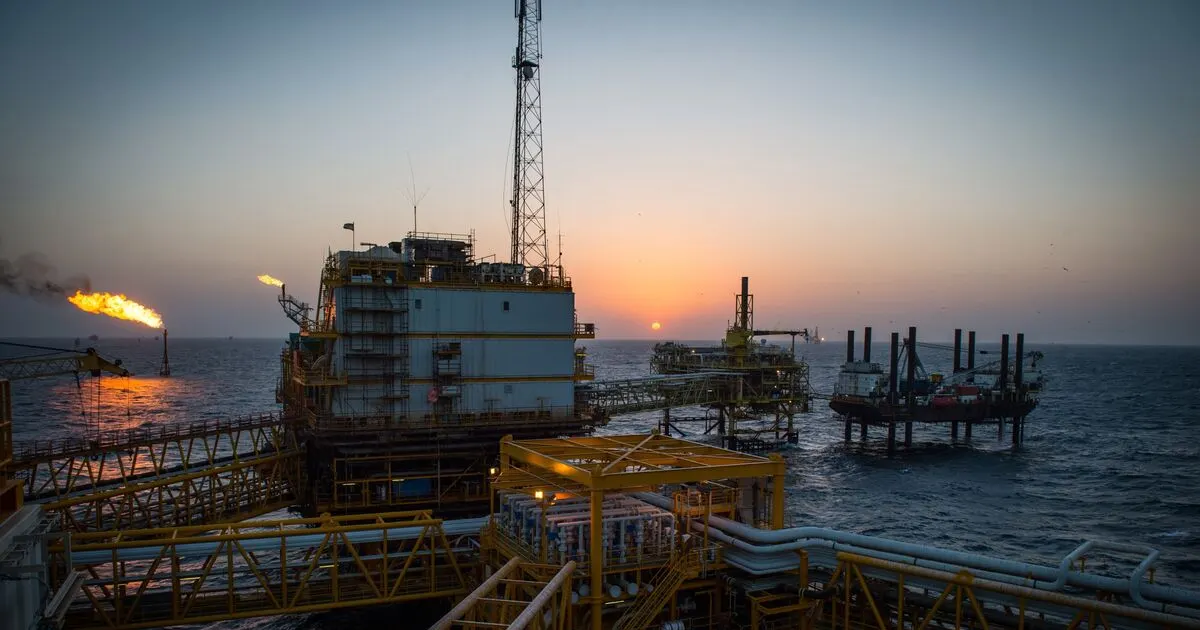
New York oil futures sank to their lowest levels in a year as oil demand in China, the world's largest importer, reportedly fell by about 3 million barrels a day. The drop was attributed to people with inside knowledge of the country's energy sector.
A roughly 3 million barrel per day demand loss is a large share of global consumption, which pressures crude and diesel prices lower. Weaker energy prices also reduce the cost advantage for biofuel feedstocks.
 bloomberg.comJackie Davalos2020/02/03
過去の弱気な疾病イベント32件の後、原油(WTI) は5営業日で中央値 -5.2% 動き(13% が上昇。中央50%は -15.0% から -2.4%)、20営業日では -5.7% 動きました。
過去の弱気な疾病イベント26件の後、原油(ブレント) は5営業日で中央値 -6.0% 動き(15% が上昇。中央50%は -13.3% から -2.0%)、20営業日では -6.8% 動きました。
イベント直前の終値からの各商品ベンチマークの動き。過去の傾向は同種の過去イベントをまとめたものであり、起きたことを示すもので、今後を示すものではありません。投資助言ではありません。
Reported ~3 mb/d drop in Chinese oil demand drove the Feb 3 slide to ~$50 WTI, a direct demand shock inside the window.
Same-day report of a reported ~3 mb/d fall in Chinese oil demand pushed futures sharply lower, a direct demand-shock mechanism.
