読み込み中…
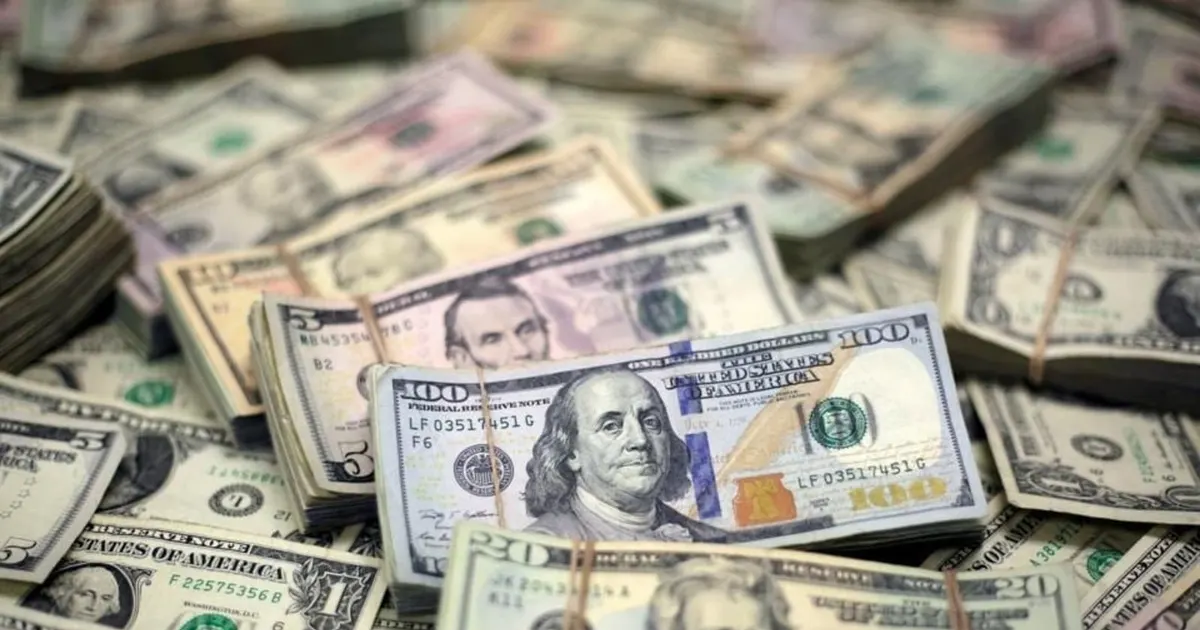
The Bloomberg Dollar Index rose as much as 1.4% on Thursday, its largest intraday gain in nearly two years, as Russia's invasion of Ukraine drove haven demand. The euro fell as much as 1.8% to 1.1106, and Scandinavian currencies declined at least 1%.
A sharp dollar rally raises dollar-denominated feed import costs for buyers outside the US and can weigh on US export prices. The effect is a currency-driven shift rather than a physical supply change.
 hindustantimes.comBloomberg2022/02/24
過去の強気な地政学イベント89件の後、米ドル指数(広範) は5営業日で中央値 +0.5% 動き(74% が上昇。中央50%は -0.0% から +1.0%)、20営業日では +0.3% 動きました。
過去の弱気な地政学イベント36件の後、ユーロ(1 EURあたりUSD) は5営業日で中央値 -1.0% 動き(22% が上昇。中央50%は -1.8% から -0.3%)、20営業日では -0.7% 動きました。
イベント直前の終値からの各商品ベンチマークの動き。過去の傾向は同種の過去イベントをまとめたものであり、起きたことを示すもので、今後を示すものではありません。投資助言ではありません。
Reports broad G-10 currency weakness and a 1.4% Bloomberg Dollar Index rise on haven demand, with the euro down sharply on 24 Feb.
Same-day report of the Bloomberg Dollar Index's largest rally since 2020 (up to 1.4%) with G-10 and Scandinavian currencies falling on haven demand.
Report of the Bloomberg Dollar Index's 1.4% jump and the euro's 1.8% drop to 1.1106 on safe-haven flows after the invasion directly explains the sharp euro move.
