読み込み中…
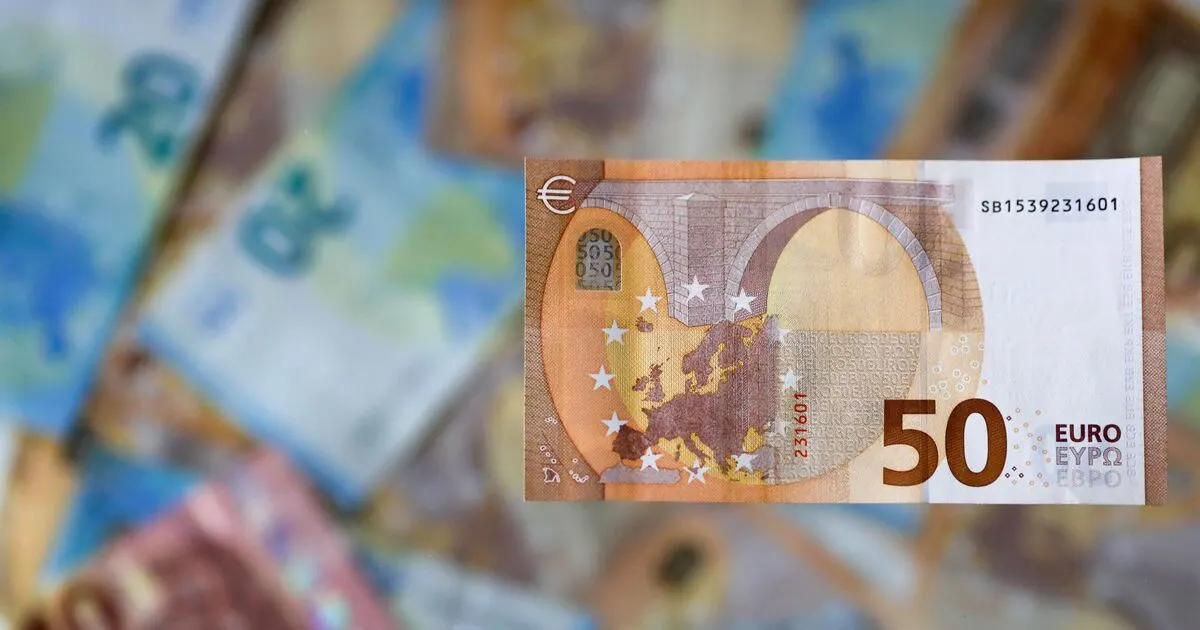
The euro fell as much as 1.8% to $1.1106, its lowest against the dollar since June 2020, as haven demand surged amid the Russia-Ukraine security crisis. The Bloomberg Dollar Index climbed as much as 1.4%.
A weaker euro and stronger dollar lower the dollar cost of European-sourced feed inputs for importers and reduce US export competitiveness. The move reflects haven flows rather than a change in feed supply.
 bloomberg.com2022/02/24
過去の弱気な地政学イベント36件の後、ユーロ(1 EURあたりUSD) は5営業日で中央値 -1.0% 動き(22% が上昇。中央50%は -1.8% から -0.3%)、20営業日では -0.7% 動きました。
過去の強気な地政学イベント89件の後、米ドル指数(広範) は5営業日で中央値 +0.5% 動き(74% が上昇。中央50%は -0.0% から +1.0%)、20営業日では +0.3% 動きました。
イベント直前の終値からの各商品ベンチマークの動き。過去の傾向は同種の過去イベントをまとめたものであり、起きたことを示すもので、今後を示すものではありません。投資助言ではありません。
Same-day report of the euro falling as much as 1.8% to $1.1106 on haven demand for the dollar after Russia's invasion directly explains the move.
Euro fell as much as 1.8% and the Bloomberg Dollar Index rose up to 1.4% on haven demand; the euro is the largest component of the broad dollar basket.
Haven demand for the dollar during the Russia-Ukraine crisis pushed EUR/USD down as much as 1.8% to its lowest since June 2020 on 2022-02-24, accounting for most of the 5-day decline.
