読み込み中…
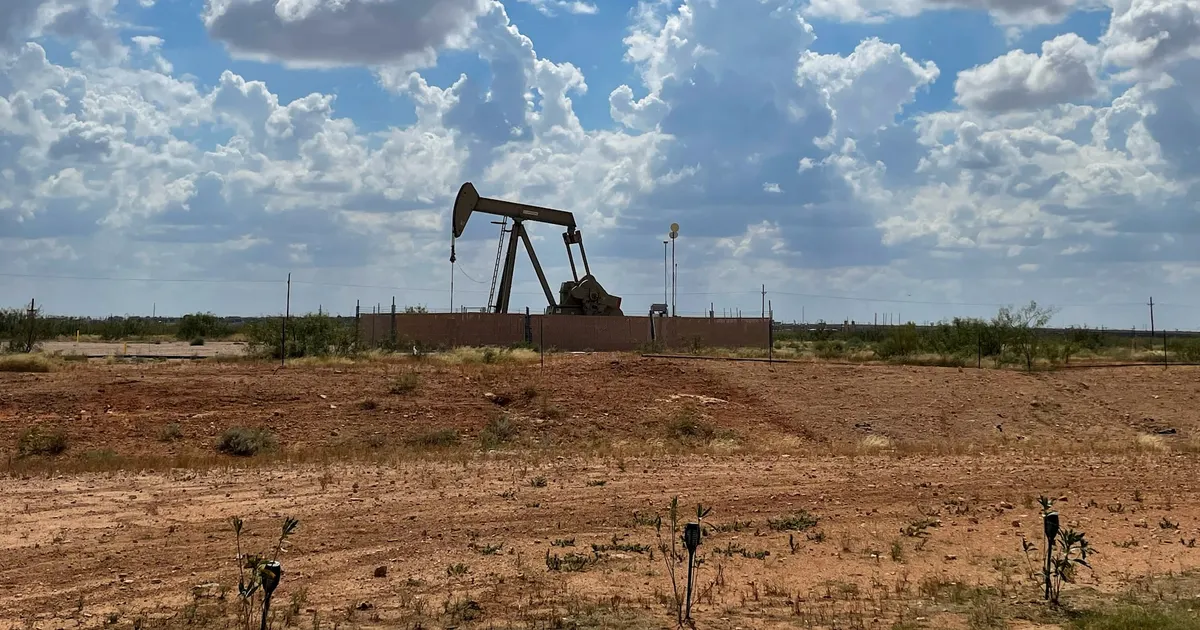
WTI crude futures have surged more than 40% so far this month to their highest levels since 2022. The rally followed U.S.-Israeli attacks on Iran, which prompted Tehran to halt shipping through the Strait of Hormuz, a chokepoint for about a fifth of world oil.
Analysts expect further gains as the conflict threatens export facilities.
Halted Hormuz shipping removes a major share of global crude flows, sustaining higher crude prices and raising fuel and freight costs for feed supply chains.
 reuters.comFlorence Tan, Shariq Khan2026/03/15
過去の強気な地政学イベント626件の後、原油(WTI) は5営業日で中央値 +2.1% 動き(62% が上昇。中央50%は -2.3% から +8.5%)、20営業日では +1.6% 動きました。
過去の強気な地政学イベント656件の後、原油(ブレント) は5営業日で中央値 +1.9% 動き(63% が上昇。中央50%は -2.7% から +6.6%)、20営業日では +0.7% 動きました。
過去の強気な地政学イベント250件の後、ULSD / ディーゼル は5営業日で中央値 +1.7% 動き(58% が上昇。中央50%は -3.6% から +8.7%)、20営業日では +0.9% 動きました。
イベント直前の終値からの各商品ベンチマークの動き。過去の傾向は同種の過去イベントをまとめたものであり、起きたことを示すもので、今後を示すものではありません。投資助言ではありません。
WTI up over 40% month-to-date with analysts expecting further gains as export facilities are threatened, which lifted the crude feedstock and diesel complex into Mar 15-17.
Reuters on March 15 said oil was poised for further gains as the conflict threatened export facilities, reflecting the supply-risk sentiment that kept the rally going.
WTI was up more than 40% month to date and analysts expected further gains as export facilities were threatened, supporting upward momentum in diesel into March 15.
