読み込み中…
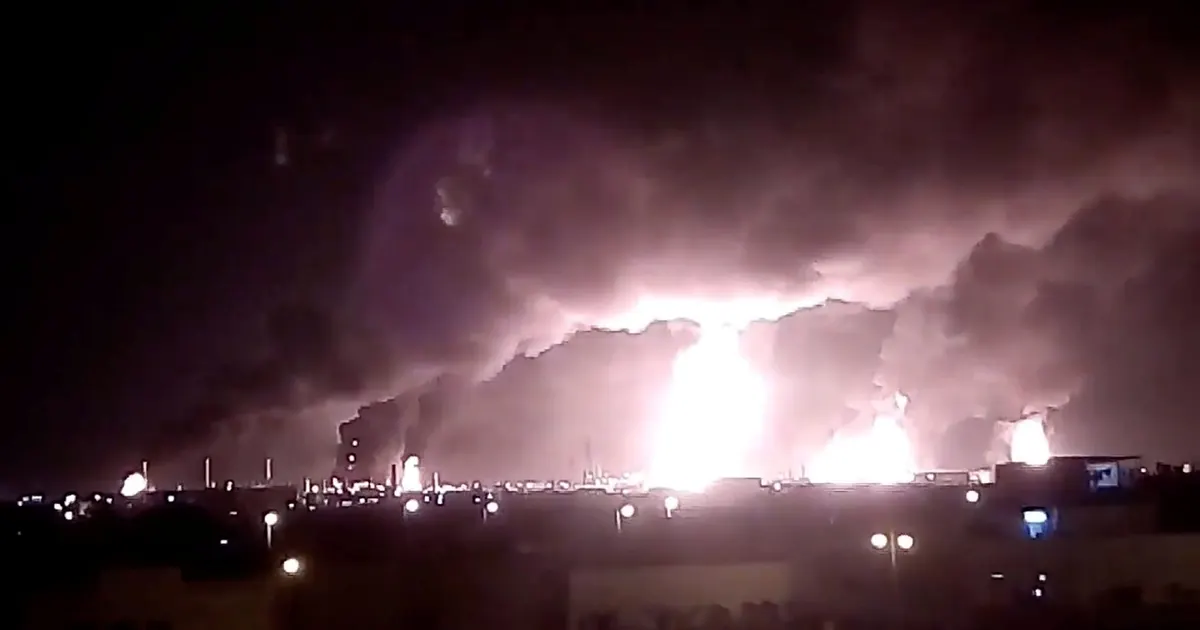
Following the attack on Saudi facilities, OPEC's global spare capacity cushion of about 3.21 million bpd was largely cut, with Saudi Arabia holding 2.27 million bpd of that. The remaining roughly 940,000 bpd is mostly held by Kuwait and the UAE, along with some in Iraq and Angola.
Analysts said those barrels would not be enough to fill the gap.
With little spare capacity left, any further supply disruption could send crude sharply higher, raising diesel, freight and fertilizer input costs. This raises the risk premium across energy-linked feed inputs.
 reuters.com2019/09/16
過去の強気な地政学イベント626件の後、原油(WTI) は5営業日で中央値 +2.1% 動き(62% が上昇。中央50%は -2.3% から +8.5%)、20営業日では +1.6% 動きました。
過去の強気な地政学イベント656件の後、原油(ブレント) は5営業日で中央値 +1.9% 動き(63% が上昇。中央50%は -2.7% から +6.6%)、20営業日では +0.7% 動きました。
過去の強気な地政学イベント250件の後、ULSD / ディーゼル は5営業日で中央値 +1.7% 動き(58% が上昇。中央50%は -3.6% から +8.7%)、20営業日では +0.9% 動きました。
イベント直前の終値からの各商品ベンチマークの動き。過去の傾向は同種の過去イベントをまとめたものであり、起きたことを示すもので、今後を示すものではありません。投資助言ではありません。
The loss of OPEC spare capacity left little buffer against the outage, supporting higher prices.
