読み込み中…
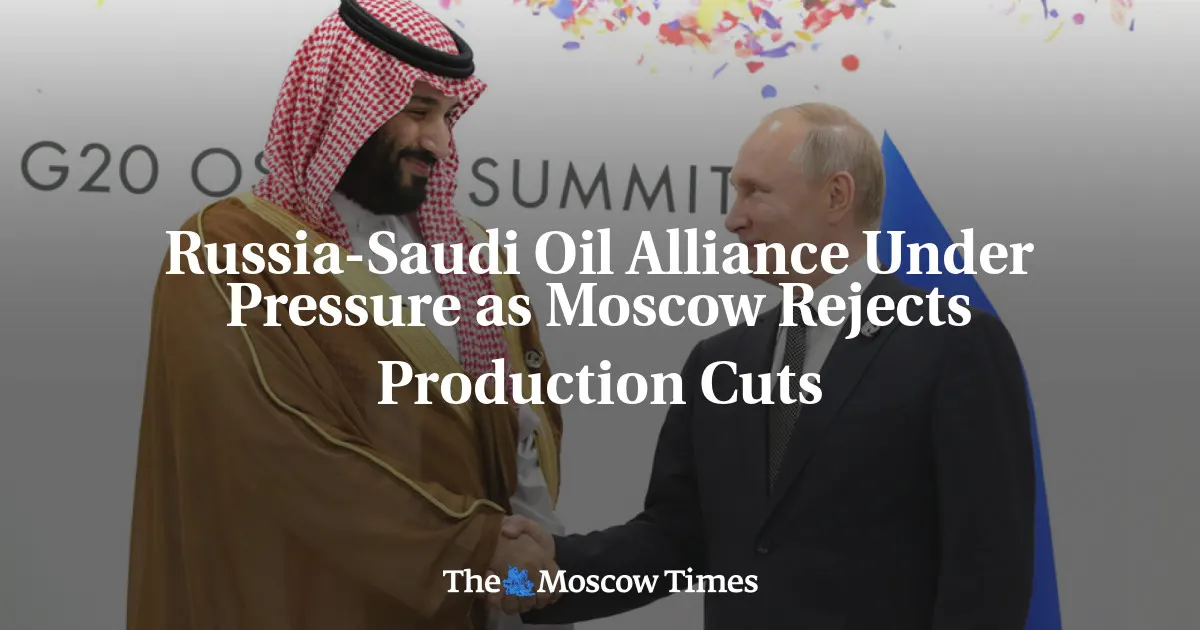
Russia rejected a new round of oil production cuts proposed in response to coronavirus, and OPEC+ talks failed on Friday. Novak said no member was now obliged to lower output from April 1, and the meeting was adjourned.
Removing the obligation to cut output from April raises the risk of a supply glut as demand contracts, which pressures crude prices. The breakdown also threatens the Russia-Saudi alliance that has steadied the market.
 themoscowtimes.comAFP2020/03/06
過去の弱気な地政学イベント250件の後、原油(ブレント) は5営業日で中央値 -3.1% 動き(36% が上昇。中央50%は -7.9% から +1.6%)、20営業日では -5.5% 動きました。
過去の弱気な地政学イベント255件の後、原油(WTI) は5営業日で中央値 -2.4% 動き(31% が上昇。中央50%は -7.0% から +1.7%)、20営業日では -5.0% 動きました。
イベント直前の終値からの各商品ベンチマークの動き。過去の傾向は同種の過去イベントをまとめたものであり、起きたことを示すもので、今後を示すものではありません。投資助言ではありません。
Russia rejected deeper OPEC+ cuts on March 6 and the talks failed, removing the supply-restraint framework and triggering the WTI selloff that day.
Russia rejected the cuts and Novak said no member was obliged to lower output from April 1, a direct supply shock that fed the crude selloff.
Russia rejected new production cuts and said no member was obliged to cut from April 1, removing supply discipline and weighing on crude.
