読み込み中…
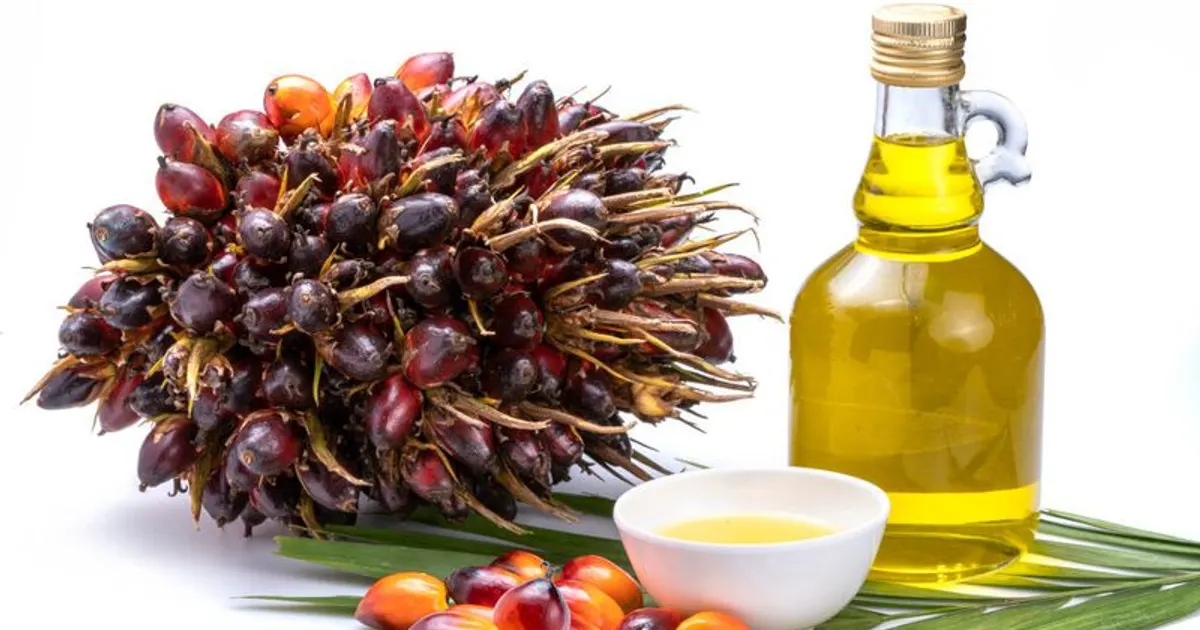
Indonesia tightened its palm oil export quota ratio to 1:4 from 1:6, cutting the amount exporters can ship relative to domestic sales. The trade ministry will also release about 3 million mt of frozen export permits gradually through January 2024, at roughly 336,000 mt per month.
Analysts estimate Indonesian supply could fall about 30% in the near term, which tightens global vegetable oil supply and supports palm and substitute oil prices. The phased release of held-back permits limits how far the squeeze will run.
 ukragroconsult.com2023/04/28
過去の強気な政策イベント548件の後、パーム油 は5営業日で中央値 +0.4% 動き(61% が上昇。中央50%は -0.7% から +2.1%)、20営業日では +0.9% 動きました。
過去の強気な政策イベント842件の後、大豆油 は5営業日で中央値 +0.2% 動き(52% が上昇。中央50%は -1.6% から +2.1%)、20営業日では -0.5% 動きました。
過去の傾向を示すのに十分な類似イベントがまだありません。
イベント直前の終値からの各商品ベンチマークの動き。過去の傾向は同種の過去イベントをまとめたものであり、起きたことを示すもので、今後を示すものではありません。投資助言ではありません。
Indonesia's export quota ratio change and gradual release of about 3 million mt of frozen export permits raised expected export supply.
Indonesia's gradual release of frozen export permits and quota ratio change point to more palm oil supply reaching global markets, which is bearish for competing vegetable oils.
