読み込み中…
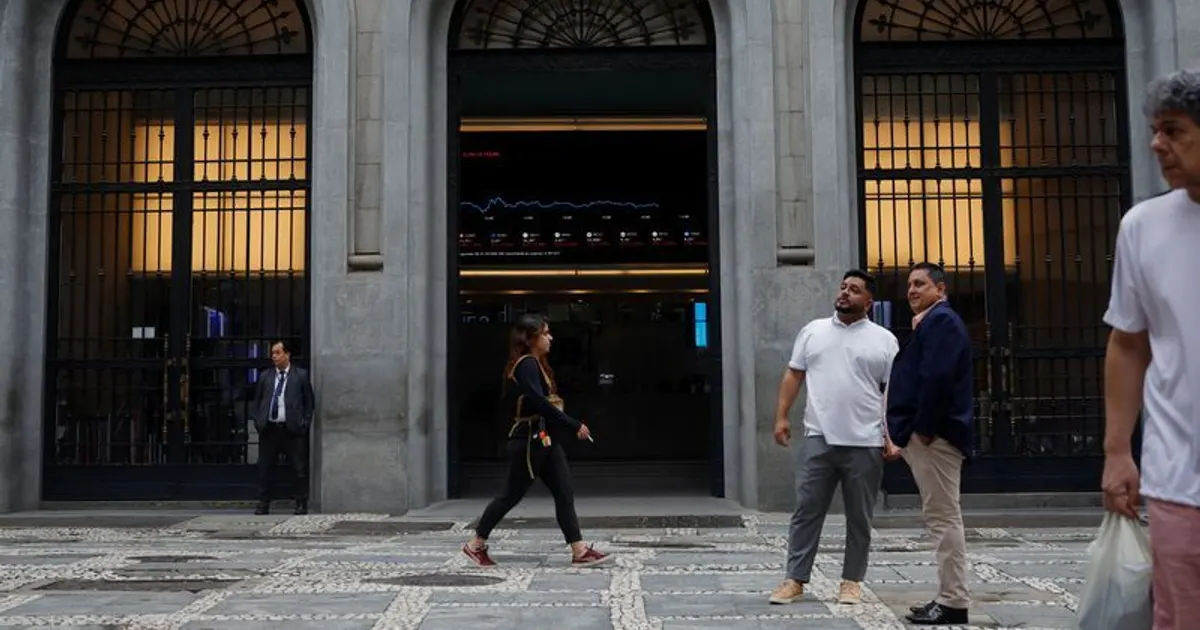
Most Latin American assets fell on July 8 after U.S. President Donald Trump said the interim accord to end the war with Iran was over. Washington had revoked a license allowing Tehran to sell oil internationally after fresh U.S. strikes, and Trump said further strikes and a takeover of Kharg Island were likely.
Renewed Gulf conflict pushed crude up about 5% to a two-week high, raising diesel and fertilizer costs and feeding inflation worries in oil-importing economies. Higher energy costs typically support soyoil and biofuel-linked prices while weighing on risk sentiment and emerging-market currencies.
 marketscreener.comReuters2026/07/08
過去の強気な地政学イベント626件の後、原油(WTI) は5営業日で中央値 +2.1% 動き(62% が上昇。中央50%は -2.3% から +8.5%)、20営業日では +1.6% 動きました。
過去の強気な地政学イベント656件の後、原油(ブレント) は5営業日で中央値 +1.9% 動き(63% が上昇。中央50%は -2.7% から +6.6%)、20営業日では +0.7% 動きました。
過去の強気な地政学イベント250件の後、ULSD / ディーゼル は5営業日で中央値 +1.7% 動き(58% が上昇。中央50%は -3.6% から +8.7%)、20営業日では +0.9% 動きました。
過去の強気な地政学イベント110件の後、大豆油 は5営業日で中央値 +1.8% 動き(65% が上昇。中央50%は -0.7% から +3.6%)、20営業日では -0.4% 動きました。
イベント直前の終値からの各商品ベンチマークの動き。過去の傾向は同種の過去イベントをまとめたものであり、起きたことを示すもので、今後を示すものではありません。投資助言ではありません。
Trump declaring the Iran interim accord over, revoking Tehran's oil export license and threatening a Kharg Island takeover raised Gulf supply-risk premium, a plausible driver of a sharp WTI rally.
Trump declaring the Iran deal over and revoking Tehran's oil license raised crude and geopolitical risk, which supports soybean oil via energy links.
