Caricamento…
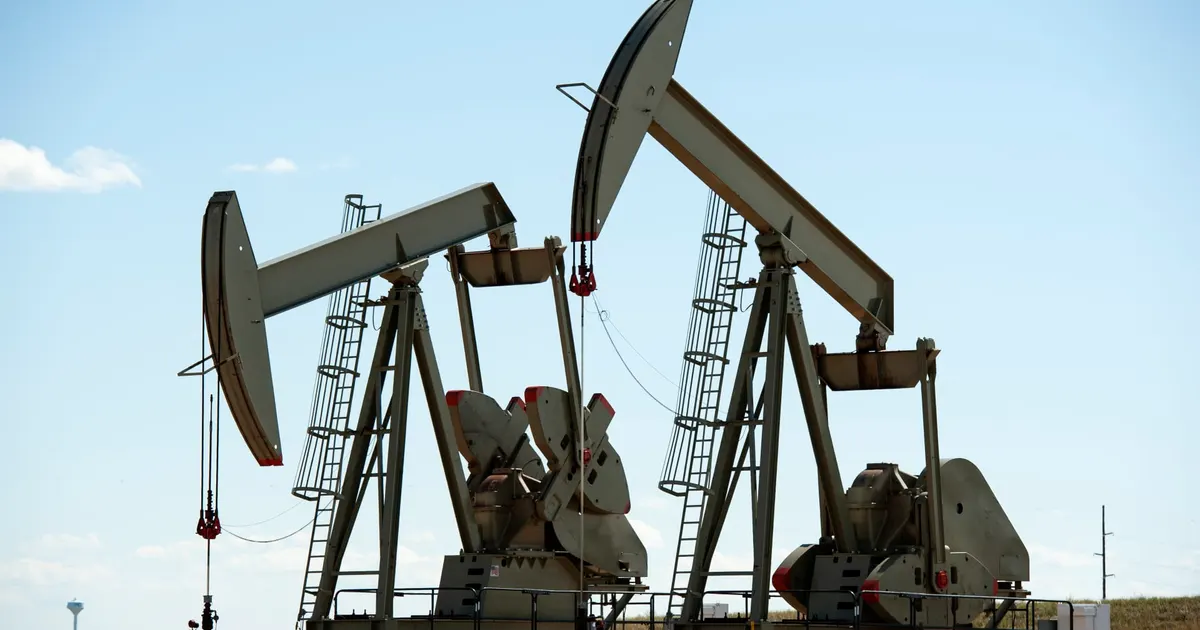
Oil prices fell on February 2 after the US and Iran agreed to resume nuclear talks, reducing fears of a conflict. Brent dropped about 4.9% to around $65.92 a barrel and WTI fell 5.3%.
A stronger dollar and milder US weather forecasts also weighed on prices.
Easing conflict risk removes the supply-disruption premium from crude, which lowers energy and freight costs for feed makers. Milder US weather reduces diesel demand for heating and power, adding to the bearish pressure.
 bloomberg.comSalma El Wardany1 feb 2026
 cnbc.comReuters1 feb 2026
 reuters.comOlesya Astakhova1 feb 2026
 rigzone.comAndreas Exarheas2 feb 2026
Dopo 255 eventi geopolitica ribassista passati, Petrolio greggio (WTI) si è mosso in mediana di -2,4% in 5 sedute (31% in rialzo; metà centrale da -7,0% a +1,7%), e di -5,0% in 20.
Dopo 250 eventi geopolitica ribassista passati, Petrolio greggio (Brent) si è mosso in mediana di -3,1% in 5 sedute (36% in rialzo; metà centrale da -7,9% a +1,6%), e di -5,5% in 20.
Dopo 51 eventi geopolitica ribassista passati, ULSD / Gasolio si è mosso in mediana di -2,4% in 5 sedute (37% in rialzo; metà centrale da -8,2% a +3,9%), e di -2,3% in 20.
Variazioni del benchmark di ciascuna materia prima rispetto all'ultima chiusura prima dell'evento. Le letture storiche raggruppano eventi passati dello stesso tipo; descrivono ciò che è accaduto, non ciò che accadrà. Non è consulenza di investimento.
Brent fell about 4.9% to around $65.92 on resumed US-Iran nuclear talks, a stronger dollar and milder US weather; OPEC+ holding output flat gave no offsetting support.
