Caricamento…
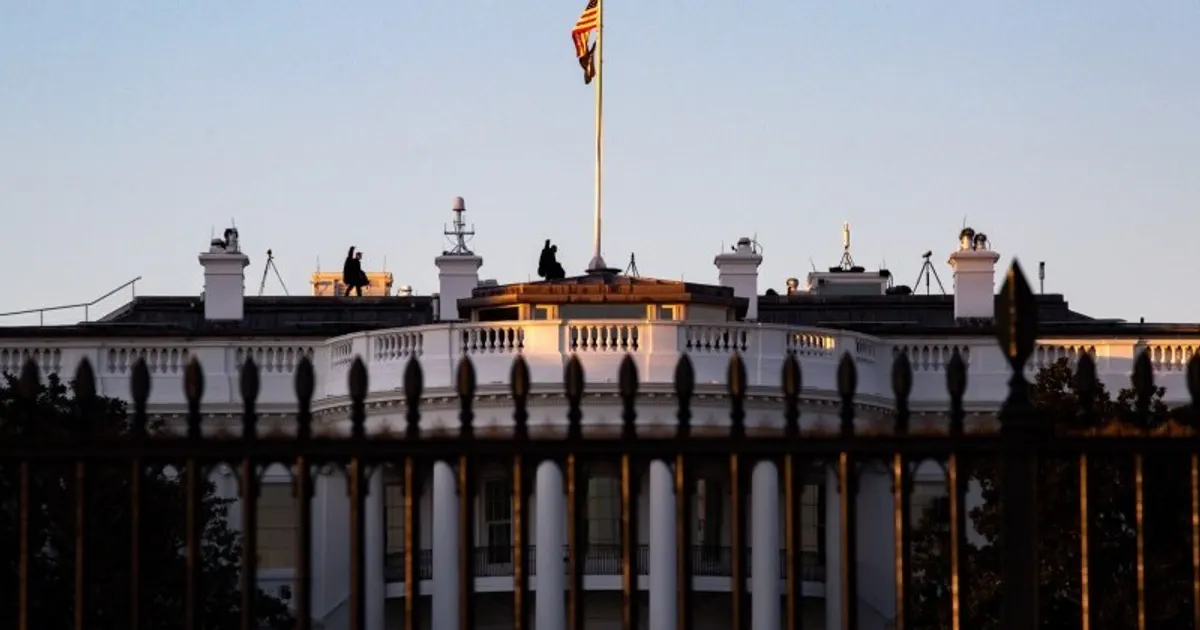
Oil prices fell below $100/bbl after the US and Iran agreed to a two-week ceasefire. Brent dropped as much as 16% to near $94, and WTI posted its steepest drop in almost six years.
European diesel futures fell as much as 23%, with the API reporting a larger-than-expected US crude build.
The ceasefire eases fears of prolonged Strait of Hormuz disruption, reducing crude and diesel price support and lowering energy input costs for feed production, transport and fertilizer. Prices will depend on whether talks produce a durable deal and normal strait flows.
 think.ing.comEwa Manthey, Warren Patterson8 apr 2026
Dopo 250 eventi geopolitica ribassista passati, Petrolio greggio (Brent) si è mosso in mediana di -3,1% in 5 sedute (36% in rialzo; metà centrale da -7,9% a +1,6%), e di -5,5% in 20.
Dopo 255 eventi geopolitica ribassista passati, Petrolio greggio (WTI) si è mosso in mediana di -2,4% in 5 sedute (31% in rialzo; metà centrale da -7,0% a +1,7%), e di -5,0% in 20.
Dopo 51 eventi geopolitica ribassista passati, ULSD / Gasolio si è mosso in mediana di -2,4% in 5 sedute (37% in rialzo; metà centrale da -8,2% a +3,9%), e di -2,3% in 20.
Variazioni del benchmark di ciascuna materia prima rispetto all'ultima chiusura prima dell'evento. Le letture storiche raggruppano eventi passati dello stesso tipo; descrivono ciò che è accaduto, non ciò che accadrà. Non è consulenza di investimento.
US-Iran two-week ceasefire sent oil below $100 and European diesel futures down as much as 23%, directly driving the ULSD collapse on April 8.
European diesel futures fell as much as 23% and oil slumped below $100 on the ceasefire, directly transmitting to ULSD benchmarks.
