Caricamento…
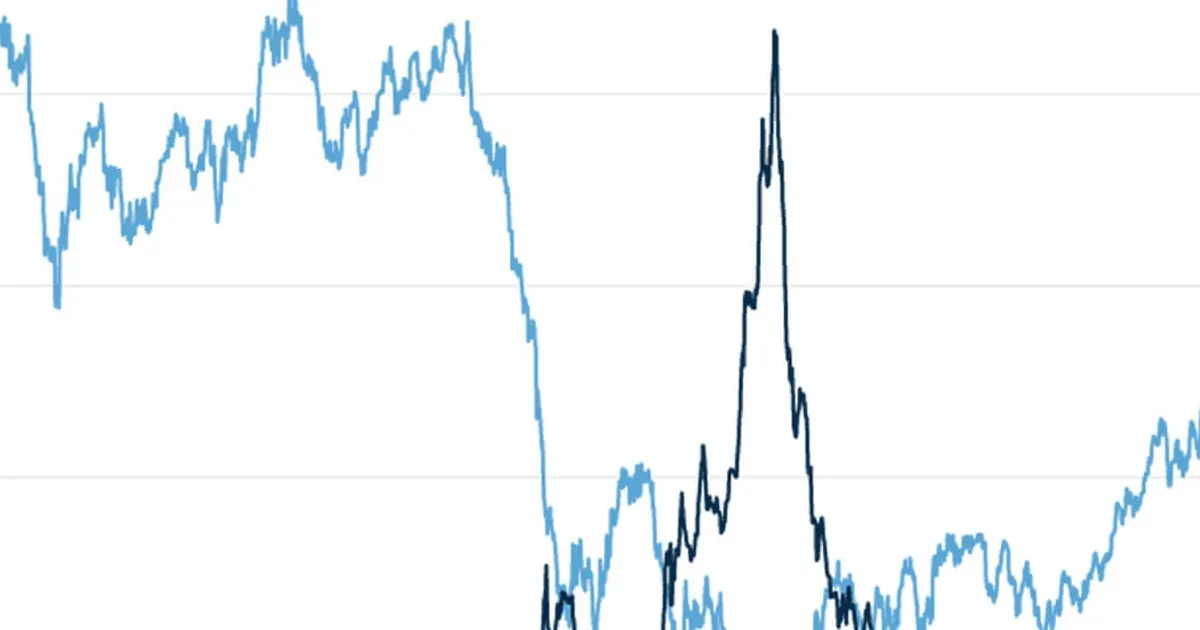
Oil prices fell more than 21% on March 9, 2020, the largest one-day drop since the Gulf War, after Russia refused OPEC supply cuts and Saudi Arabia announced a large output increase. The resulting price war hurt US shale producers, and high-yield credit spreads widened toward 2016 levels.
The price war removes the OPEC floor under crude and threatens US shale output, which lowers energy costs for feed buyers but raises financial stress across energy-linked sectors.
 commonfund.orgAuthor Commonfund Posts16 mar 2020
Dopo 255 eventi geopolitica ribassista passati, Petrolio greggio (WTI) si è mosso in mediana di -2,4% in 5 sedute (31% in rialzo; metà centrale da -7,0% a +1,7%), e di -5,0% in 20.
Dopo 250 eventi geopolitica ribassista passati, Petrolio greggio (Brent) si è mosso in mediana di -3,1% in 5 sedute (36% in rialzo; metà centrale da -7,9% a +1,6%), e di -5,5% in 20.
Variazioni del benchmark di ciascuna materia prima rispetto all'ultima chiusura prima dell'evento. Le letture storiche raggruppano eventi passati dello stesso tipo; descrivono ciò che è accaduto, non ciò che accadrà. Non è consulenza di investimento.
Describes the March 9 price-war crash that set up the lower starting level for the later slide.
