Caricamento…
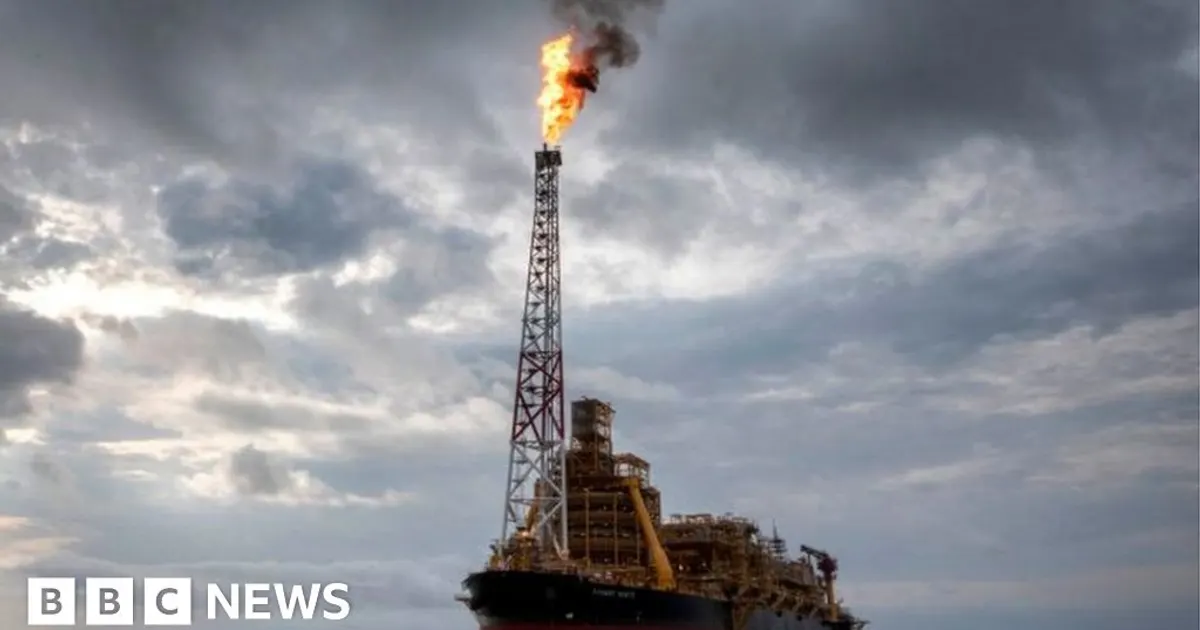
Oil prices crashed in Asia by around 30% on Monday as Saudi Arabia cut its official selling prices after Russia refused deep OPEC-backed production cuts. Brent fell to a low of $31.02 a barrel, near a 16-year low.
Expectations that producers will pump more to gain market share signal an oversupplied market, bearish for crude and energy-linked feed input values.
 bbc.comAdd as preferred on Google9 mar 2020
Dopo 250 eventi geopolitica ribassista passati, Petrolio greggio (Brent) si è mosso in mediana di -3,1% in 5 sedute (36% in rialzo; metà centrale da -7,9% a +1,6%), e di -5,5% in 20.
Dopo 255 eventi geopolitica ribassista passati, Petrolio greggio (WTI) si è mosso in mediana di -2,4% in 5 sedute (31% in rialzo; metà centrale da -7,0% a +1,7%), e di -5,0% in 20.
Dopo 28 eventi geopolitica ribassista passati, Olio di soia si è mosso in mediana di -2,7% in 5 sedute (21% in rialzo; metà centrale da -8,3% a -0,7%), e di -2,1% in 20.
Variazioni del benchmark di ciascuna materia prima rispetto all'ultima chiusura prima dell'evento. Le letture storiche raggruppano eventi passati dello stesso tipo; descrivono ciò che è accaduto, non ciò che accadrà. Non è consulenza di investimento.
Brent crashed about 30% in Asia on March 9 after Saudi Arabia cut official selling prices following Russia's refusal to cut output.
Describes the Asian-session crash on March 9 as Saudi Arabia cut selling prices after Russia refused deep cuts, directly matching the move's timing and cause.
Brent fell to about $31 in Asia as producers started a price war after Russia refused deep cuts, directly reflecting the supply shock.
