Caricamento…
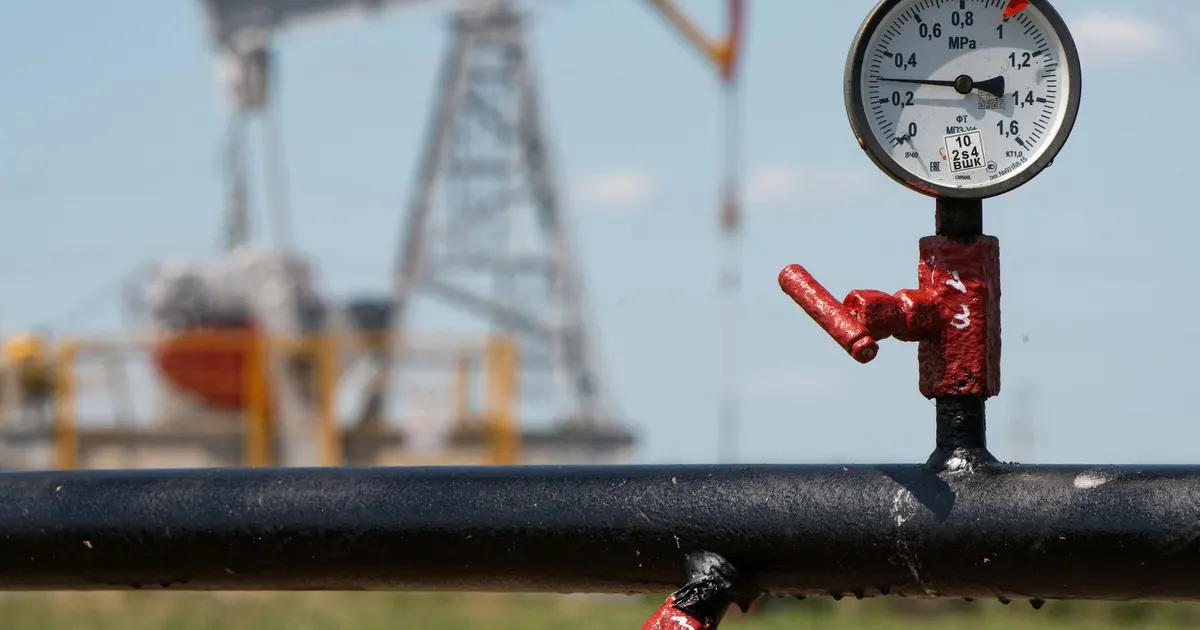
US crude futures jumped about 12% a barrel after the Strait of Hormuz was effectively closed for seven days. Roughly 140 million barrels of oil that normally transit the waterway each day have been disrupted.
Loss of Hormuz flows removes about a fifth of world oil supply, pushing crude and energy-linked input costs sharply higher. Higher diesel and fertilizer costs and freight rates raise the cost of feed production and shift demand toward substitutes.
 reuters.comErwin Seba6 mar 2026
Dopo 626 eventi geopolitica rialzista passati, Petrolio greggio (WTI) si è mosso in mediana di +2,1% in 5 sedute (62% in rialzo; metà centrale da -2,3% a +8,5%), e di +1,6% in 20.
Dopo 656 eventi geopolitica rialzista passati, Petrolio greggio (Brent) si è mosso in mediana di +1,9% in 5 sedute (63% in rialzo; metà centrale da -2,7% a +6,6%), e di +0,7% in 20.
Dopo 250 eventi geopolitica rialzista passati, ULSD / Gasolio si è mosso in mediana di +1,7% in 5 sedute (58% in rialzo; metà centrale da -3,6% a +8,7%), e di +0,9% in 20.
Dopo 136 eventi geopolitica rialzista passati, Gas naturale si è mosso in mediana di +2,7% in 5 sedute (63% in rialzo; metà centrale da -1,8% a +8,8%), e di +4,0% in 20.
Variazioni del benchmark di ciascuna materia prima rispetto all'ultima chiusura prima dell'evento. Le letture storiche raggruppano eventi passati dello stesso tipo; descrivono ciò che è accaduto, non ciò che accadrà. Non è consulenza di investimento.
Dated March 6, it reports a roughly 12% jump in US crude futures after Hormuz was effectively closed for seven days, a direct supply shock that Brent shared.
Effective seven-day Hormuz closure disrupting huge oil volumes pushed crude futures sharply higher on March 6.
WTI surged about 12% in a day after Hormuz was effectively closed for a week, disrupting large crude flows.
Effective Hormuz closure for seven days disrupted flows and lifted crude futures sharply.
