Caricamento…
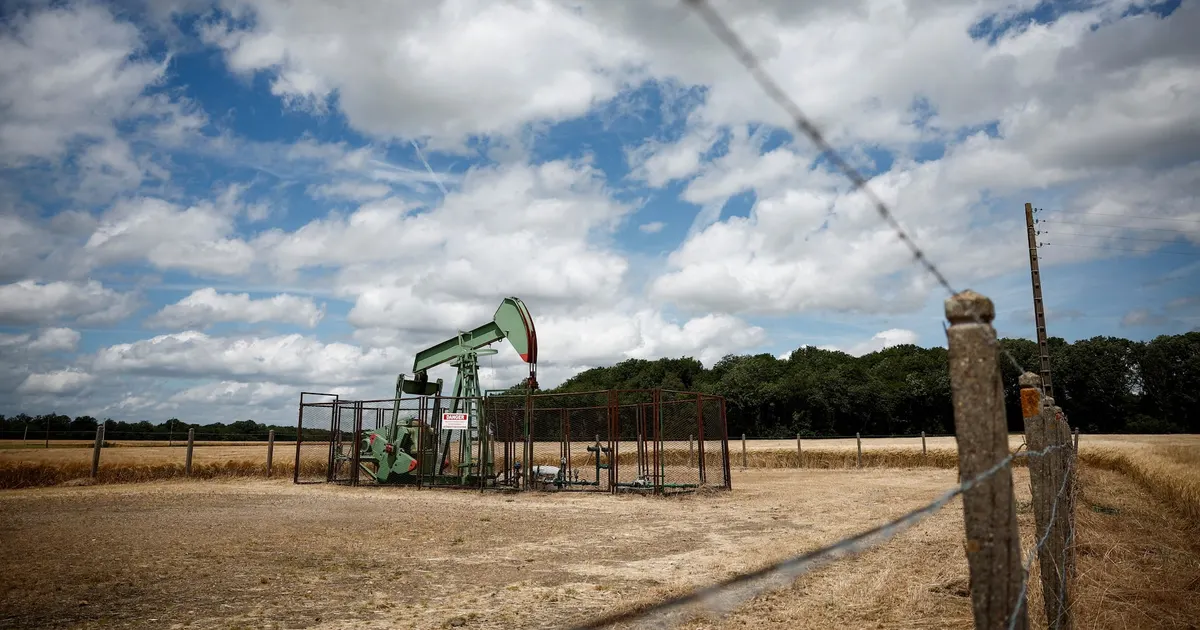
Brent crude settled at $74.23 a barrel, up 7.02%, on June 13 after Israel and Iran traded air strikes. Brent briefly rose over 13% to an intraday high of $78.50, its strongest level since January.
Investors feared the fighting could disrupt Middle East oil exports.
Fears of lost Middle East crude supply lift crude prices, which raises diesel and fuel costs for feed mills and transport. Higher crude also supports biofuel feedstock values, which can spill over into vegetable oil and corn prices.
 reuters.comErwin Seba13 giu 2025
Dopo 656 eventi geopolitica rialzista passati, Petrolio greggio (Brent) si è mosso in mediana di +1,9% in 5 sedute (63% in rialzo; metà centrale da -2,7% a +6,6%), e di +0,7% in 20.
Dopo 626 eventi geopolitica rialzista passati, Petrolio greggio (WTI) si è mosso in mediana di +2,1% in 5 sedute (62% in rialzo; metà centrale da -2,3% a +8,5%), e di +1,6% in 20.
Variazioni del benchmark di ciascuna materia prima rispetto all'ultima chiusura prima dell'evento. Le letture storiche raggruppano eventi passati dello stesso tipo; descrivono ciò che è accaduto, non ciò che accadrà. Non è consulenza di investimento.
Brent settled up 7% on June 13 (intraday +13%) after Israel-Iran air strikes, the main driver of the 5-day gain via Middle East supply-risk premium.
Brent settled up about 7% on June 13 as Israel and Iran traded strikes, which directly explains the move through Middle East supply-risk sentiment.
Brent settled up 7% at $74.23 after Israel and Iran traded strikes, with an intraday spike above 13%, which accounts for most of the weekly gain.
Brent settled up 7% as Israel and Iran traded strikes, reflecting fears of Middle East export disruption that lifted WTI in step.
