Caricamento…
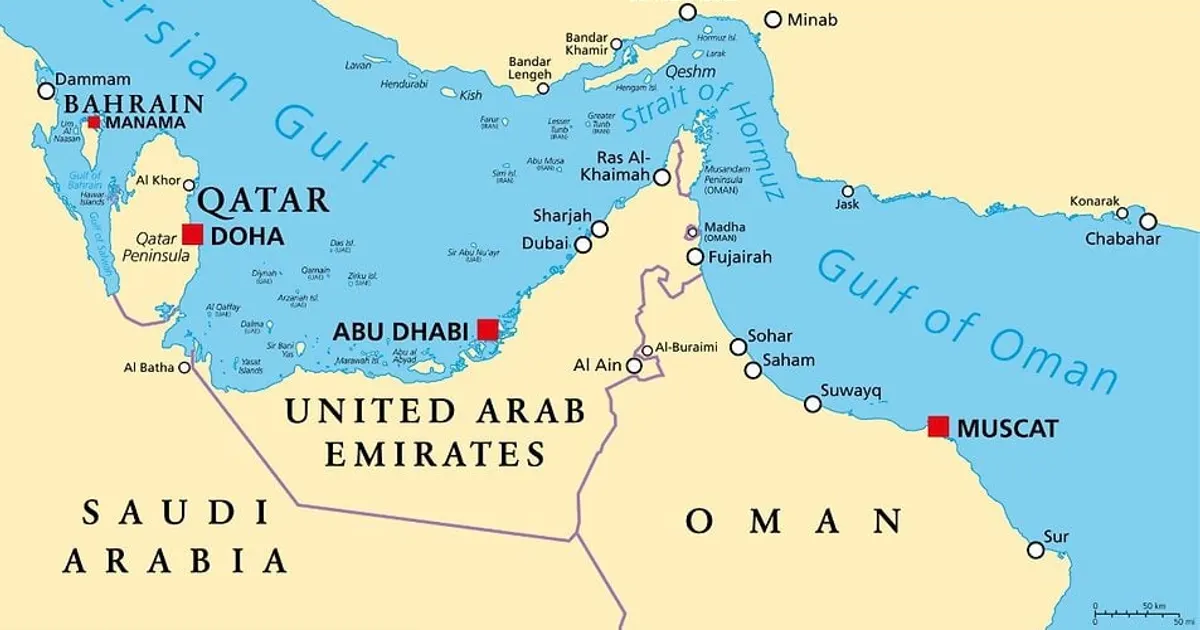
Rabobank's Stephen Nicholson says the US-Israel attack on Iran entering its second week is raising grain freight rates, while commodity prices are mostly steady. He says Suez and Hormuz are not major grain bottlenecks, but the duration of the conflict will determine whether the impact grows.
Higher fuel surcharges and basis cuts are expected along the supply chain.
Higher freight and fuel surcharges raise delivered costs for feed buyers and narrow farmer basis, even without physical grain disruption. A prolonged conflict would increase the pressure on prices.
 world-grain.comSusan Reidy9 mar 2026
Ancora troppi pochi eventi passati comparabili per una lettura storica.
Dopo 250 eventi geopolitica rialzista passati, ULSD / Gasolio si è mosso in mediana di +1,7% in 5 sedute (58% in rialzo; metà centrale da -3,6% a +8,7%), e di +0,9% in 20.
Dopo 626 eventi geopolitica rialzista passati, Petrolio greggio (WTI) si è mosso in mediana di +2,1% in 5 sedute (62% in rialzo; metà centrale da -2,3% a +8,5%), e di +1,6% in 20.
Variazioni del benchmark di ciascuna materia prima rispetto all'ultima chiusura prima dell'evento. Le letture storiche raggruppano eventi passati dello stesso tipo; descrivono ciò che è accaduto, non ciò che accadrà. Non è consulenza di investimento.
