Caricamento…
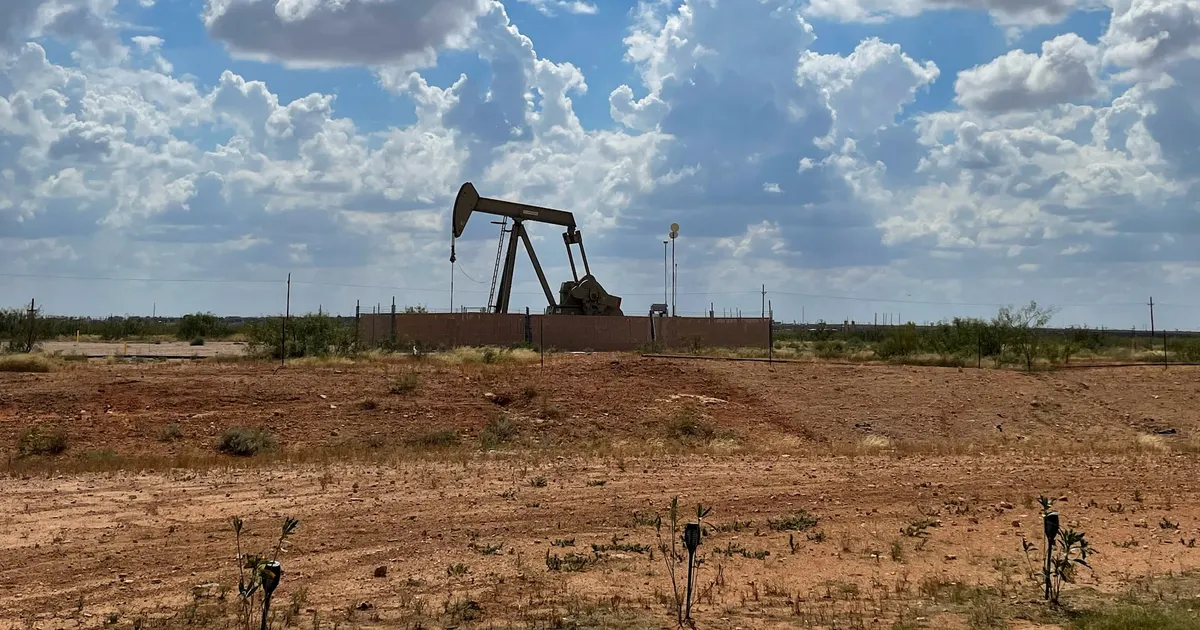
US Gulf crude prices rose to their highest since 2020 as the closure of the Strait of Hormuz forced several countries, including Iraq, to curb output. Flows of medium and heavy sour crude from the Persian Gulf are now largely cut off, and additional production cuts were announced.
Cut-off of medium and heavy sour crude tightens supply of the grades refiners rely on, lifting Gulf crude prices. Higher crude costs raise diesel and fertilizer costs for feed producers and support energy-linked commodity prices.
 reuters.comSiddharth Cavale6 mar 2026
Dopo 626 eventi geopolitica rialzista passati, Petrolio greggio (WTI) si è mosso in mediana di +2,1% in 5 sedute (62% in rialzo; metà centrale da -2,3% a +8,5%), e di +1,6% in 20.
Dopo 656 eventi geopolitica rialzista passati, Petrolio greggio (Brent) si è mosso in mediana di +1,9% in 5 sedute (63% in rialzo; metà centrale da -2,7% a +6,6%), e di +0,7% in 20.
Dopo 250 eventi geopolitica rialzista passati, ULSD / Gasolio si è mosso in mediana di +1,7% in 5 sedute (58% in rialzo; metà centrale da -3,6% a +8,7%), e di +0,9% in 20.
Variazioni del benchmark di ciascuna materia prima rispetto all'ultima chiusura prima dell'evento. Le letture storiche raggruppano eventi passati dello stesso tipo; descrivono ciò che è accaduto, non ciò che accadrà. Non è consulenza di investimento.
Dated March 6, it reports that Hormuz closure forced Iraq and others to cut output and cut off Gulf sour crude flows, tightening supply and lifting crude prices.
Cutoff of Gulf sour crude flows and production cuts by Iraq and others tightened physical supply and lifted prices.
Hormuz closure cutting Iraqi and Gulf sour crude flows tightens physical supply and supports Brent.
Cutoff of Persian Gulf sour crude and Iraqi output curbs lifted US Gulf crude prices to their highest since 2020.
