Memuat…
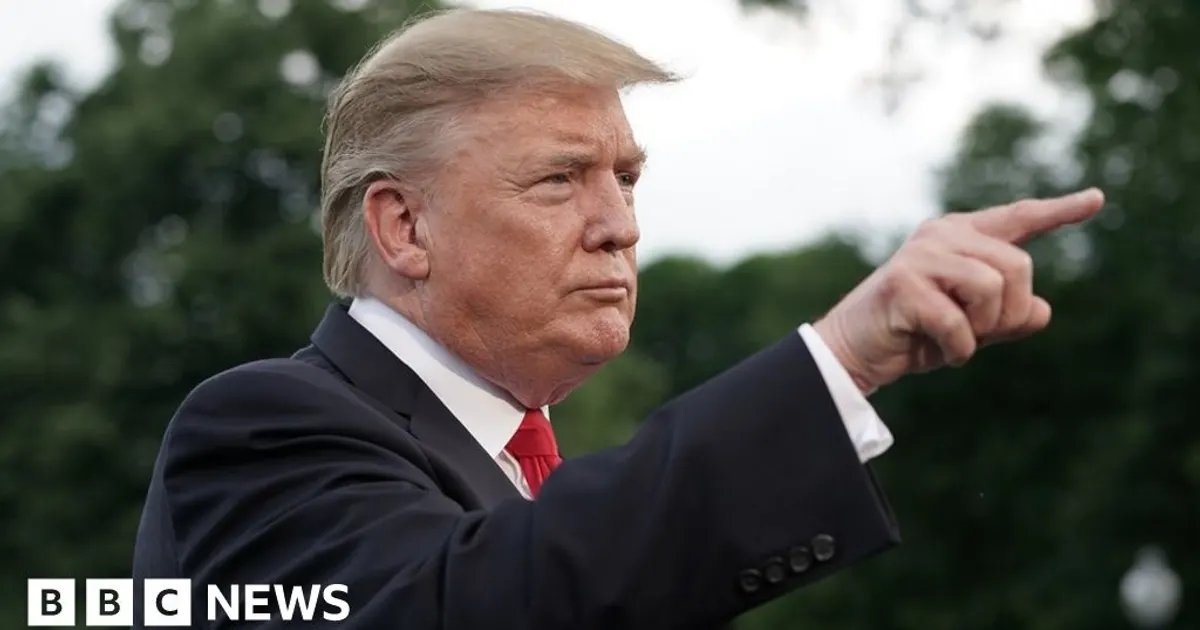
President Trump announced a fresh 10% tariff on another $300 billion of Chinese goods, effective September 1, after bilateral talks made little progress. He accused China of not honoring commitments to buy more U.S. agricultural products.
Chinese Foreign Minister Wang Yi criticized the move, and markets fell sharply in response.
Tariffs on the broad range of Chinese imports and the complaint about unmet farm purchases point to reduced U.S. agricultural export demand to China. That is bearish for soybeans and other U.S. feed grains.
 agronews.com.plMałgorzata Kulma5 Agu 2019
 bbc.comAdd as preferred on Google1 Agu 2019
 cnbc.comReuters1 Agu 2019
 nutraingredients.comHank Schultz2 Agu 2019
Setelah 683 peristiwa perdagangan bearish sebelumnya, Jagung bergerak median -0,2% selama 5 sesi (47% lebih tinggi; separuh tengah -1,7% sampai +1,6%), dan +0,3% selama 20 sesi.
Setelah 803 peristiwa perdagangan bearish sebelumnya, Kedelai bergerak median +0,0% selama 5 sesi (51% lebih tinggi; separuh tengah -1,7% sampai +1,7%), dan +0,9% selama 20 sesi.
Belum cukup peristiwa historis yang sebanding untuk analisis historis.
Setelah 80 peristiwa perdagangan bearish sebelumnya, Minyak Mentah (WTI) bergerak median -2,2% selama 5 sesi (30% lebih tinggi; separuh tengah -6,9% sampai +0,8%), dan -1,5% selama 20 sesi.
Pergerakan benchmark setiap komoditas dari penutupan terakhir sebelum peristiwa. Pembacaan historis menggabungkan peristiwa serupa di masa lalu; itu menggambarkan apa yang terjadi, bukan apa yang akan terjadi. Bukan nasihat investasi.
The new 10% tariff on $300B of Chinese goods triggered the trade escalation and recession fears that hit crude demand expectations.
The Aug 1 tariff escalation and accusation that China wasn't buying US farm goods raised fears of lost export demand, setting up the sell-off that carried into Aug 5.
