Memuat…
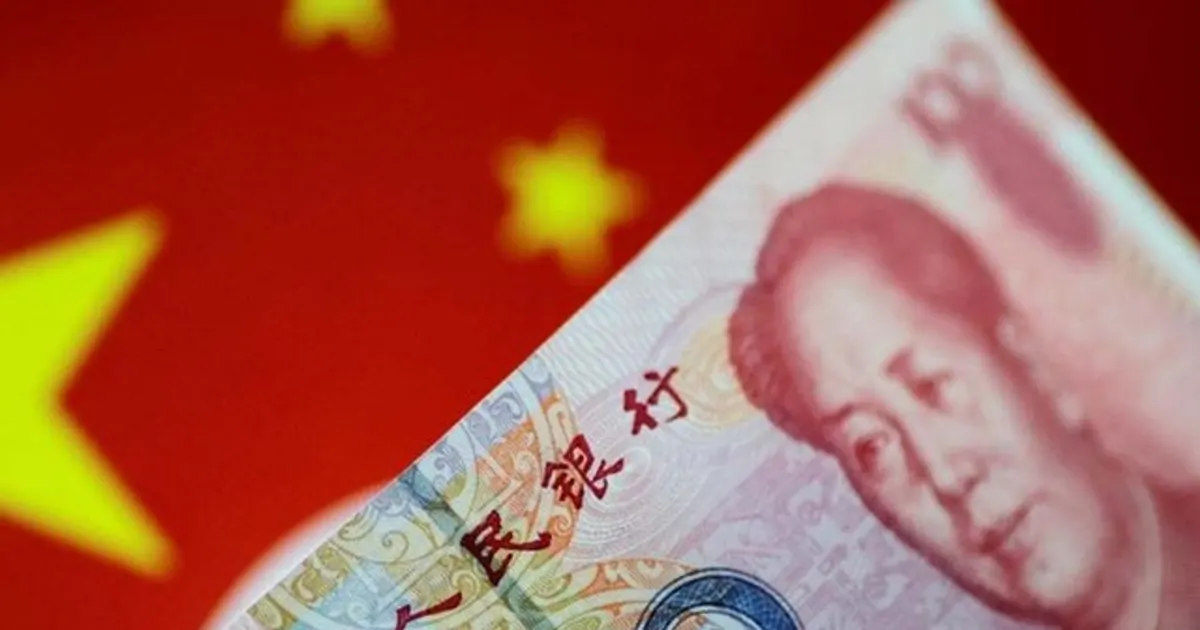
The yuan slipped against the dollar on October 18, 2021, after China's third-quarter GDP grew 4.9% year on year, slower than expected. Power shortages, supply bottlenecks and COVID-19 outbreaks weighed on growth, and property-sector credit worries added to the pressure.
Expectations of less monetary easing limited the currency's losses.
Weaker Chinese growth reduces the outlook for import demand for feed inputs, which is mildly bearish for grain and oilseed prices. A softer yuan also makes Chinese purchases of dollar-priced commodities marginally more expensive.
 brecorder.comReuters18 Okt 2021
Setelah 398 peristiwa makro bullish sebelumnya, Yuan Tiongkok (CNY per USD) bergerak median +0,0% selama 5 sesi (56% lebih tinggi; separuh tengah -0,3% sampai +0,5%), dan +0,0% selama 20 sesi.
Pergerakan benchmark setiap komoditas dari penutupan terakhir sebelum peristiwa. Pembacaan historis menggabungkan peristiwa serupa di masa lalu; itu menggambarkan apa yang terjadi, bukan apa yang akan terjadi. Bukan nasihat investasi.
