Memuat…
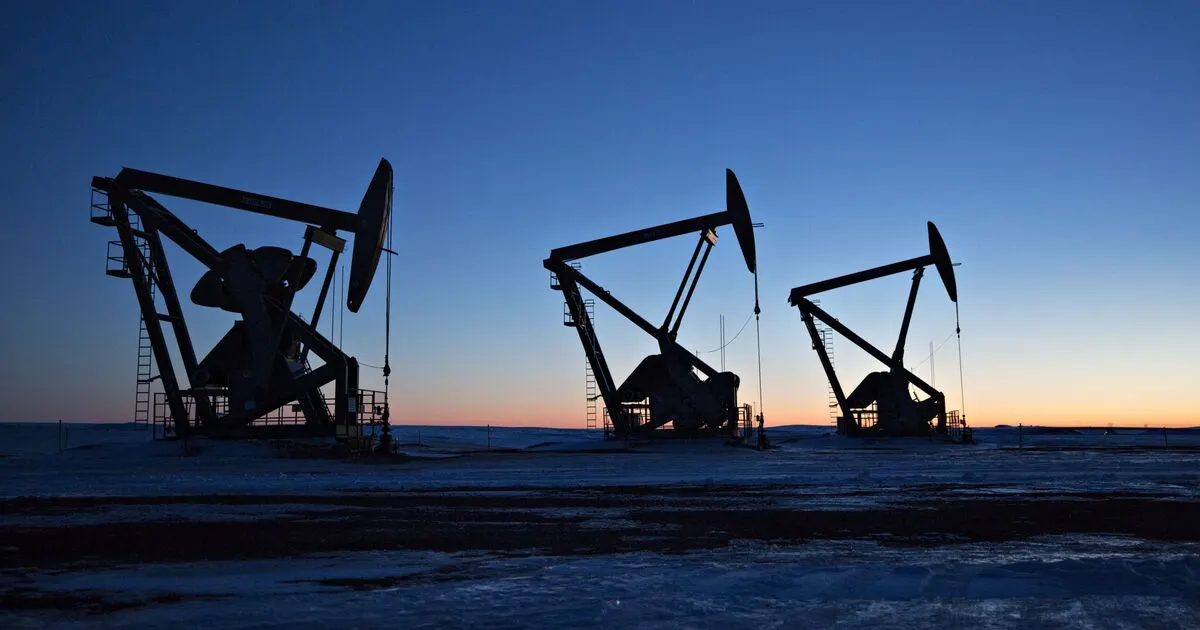
Citigroup's head of commodities research attributed the collapse in crude since early October to the State Department's shifting stance on Iran sanctions, President Trump's tweets about OPEC supply, the trade war with China, and rapid growth in U.S. shale output. These factors are all cited as drivers of the price drop.
Policy signals and shale supply growth point to a longer period of ample crude, which tends to weigh on energy input costs and biofuel-linked demand for feedstocks.
 bloomberg.comDan Murtaugh15 Nov 2018
Setelah 255 peristiwa geopolitik bearish sebelumnya, Minyak Mentah (WTI) bergerak median -2,4% selama 5 sesi (31% lebih tinggi; separuh tengah -7,0% sampai +1,7%), dan -5,0% selama 20 sesi.
Setelah 250 peristiwa geopolitik bearish sebelumnya, Minyak Mentah (Brent) bergerak median -3,1% selama 5 sesi (36% lebih tinggi; separuh tengah -7,9% sampai +1,6%), dan -5,5% selama 20 sesi.
Pergerakan benchmark setiap komoditas dari penutupan terakhir sebelum peristiwa. Pembacaan historis menggabungkan peristiwa serupa di masa lalu; itu menggambarkan apa yang terjadi, bukan apa yang akan terjadi. Bukan nasihat investasi.
Citi attributes the crude collapse to Iran sanctions waivers, Trump's OPEC tweets, trade war and shale growth, which together weighed on supply/demand sentiment, though it describes the earlier slide rather than the final week.
Identifies drivers of the multi-week slump (softer Iran sanctions stance, shale growth, trade war, Trump tweets on OPEC) that sustained bearish positioning, though dated a week before the move.
Cites shifted Iran sanctions stance, Trump's OPEC tweets, trade war and US shale growth as causes, which broadly explain the decline but it is dated after the window and is retrospective.
