Memuat…
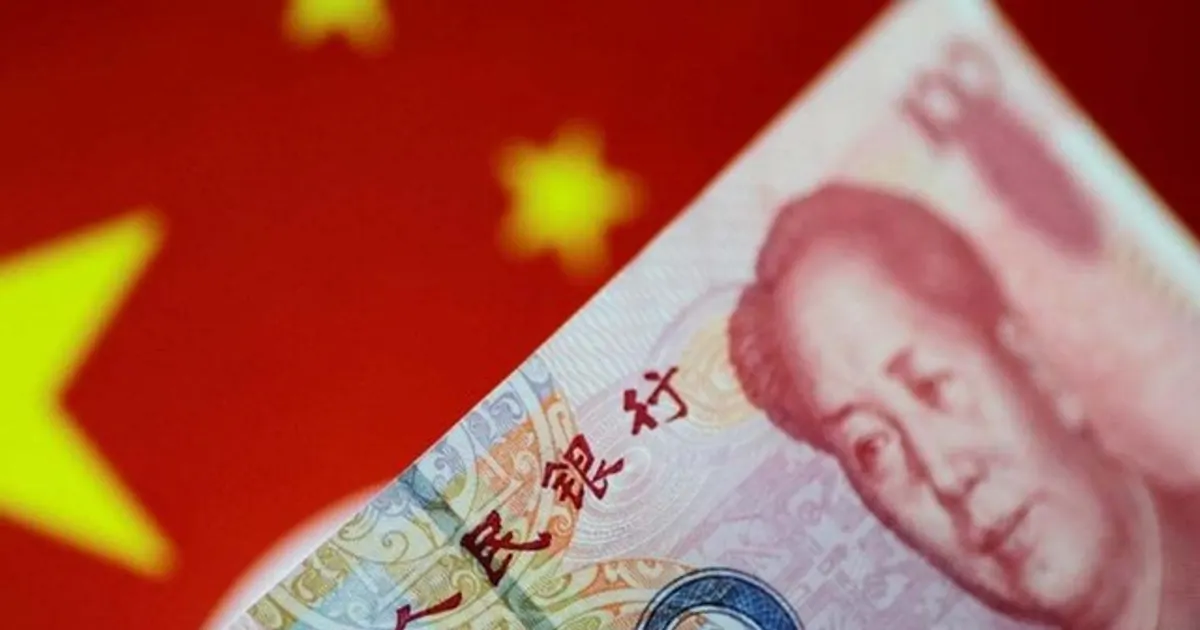
China's yuan slipped against the dollar on August 31 and was set for a third straight monthly decline. August official PMI data showed factory activity expanding more slowly, while the services sector contracted.
Traders are watching the pace of Federal Reserve tapering and upcoming US jobs data.
Weaker Chinese growth signals softer import demand, and a weaker yuan raises the cost of dollar-priced imports for China. Expected policy easing could support Chinese domestic feed demand, but the currency move adds uncertainty to feed import costs.
 brecorder.comReuters31 Agu 2021
Setelah 398 peristiwa makro bullish sebelumnya, Yuan Tiongkok (CNY per USD) bergerak median +0,0% selama 5 sesi (56% lebih tinggi; separuh tengah -0,3% sampai +0,5%), dan +0,0% selama 20 sesi.
Pergerakan benchmark setiap komoditas dari penutupan terakhir sebelum peristiwa. Pembacaan historis menggabungkan peristiwa serupa di masa lalu; itu menggambarkan apa yang terjadi, bukan apa yang akan terjadi. Bukan nasihat investasi.
