Memuat…
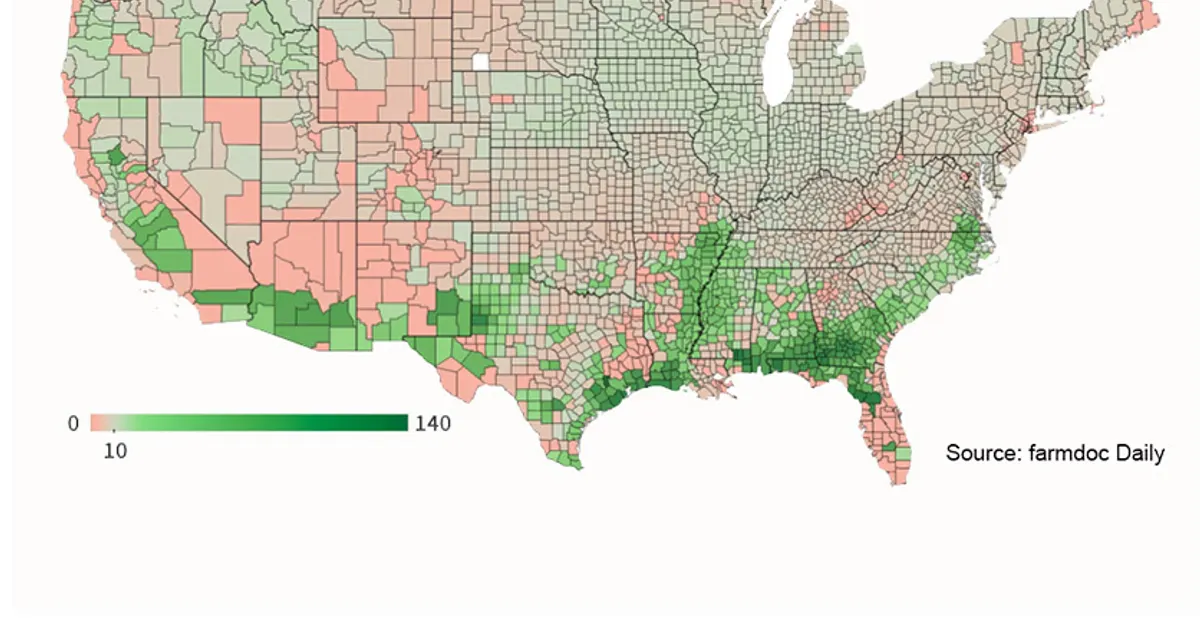
An analysis from University of Illinois and Ohio State economists projects that overall commodity program payments for row crops would rise at least 77% under the House farm bill. Soybean and wheat payments could rise about 80%, while corn payments would rise about 36%.
Southern crops such as cotton, rice and peanuts would see payments more than double.
Larger subsidy payments could keep acreage in production and weigh on prices over time, with the greatest effect on rice and southern crops.
 agri-pulse.comPhilip Brasher22 Mei 2024
Setelah 100 peristiwa kebijakan bearish sebelumnya, RICE bergerak median -0,1% selama 5 sesi (49% lebih tinggi; separuh tengah -1,7% sampai +1,6%), dan +0,1% selama 20 sesi.
Setelah 369 peristiwa kebijakan bearish sebelumnya, SOY bergerak median -0,2% selama 5 sesi (46% lebih tinggi; separuh tengah -1,7% sampai +1,8%), dan +0,8% selama 20 sesi.
Setelah 122 peristiwa kebijakan bearish sebelumnya, WHEAT bergerak median -0,3% selama 5 sesi (44% lebih tinggi; separuh tengah -1,9% sampai +1,2%), dan +0,4% selama 20 sesi.
Setelah 310 peristiwa kebijakan bearish sebelumnya, CORN bergerak median +0,3% selama 5 sesi (54% lebih tinggi; separuh tengah -1,4% sampai +1,9%), dan +0,6% selama 20 sesi.
Pergerakan benchmark setiap komoditas dari penutupan terakhir sebelum peristiwa. Pembacaan historis menggabungkan peristiwa serupa di masa lalu; itu menggambarkan apa yang terjadi, bukan apa yang akan terjadi. Bukan nasihat investasi.
