Loading…
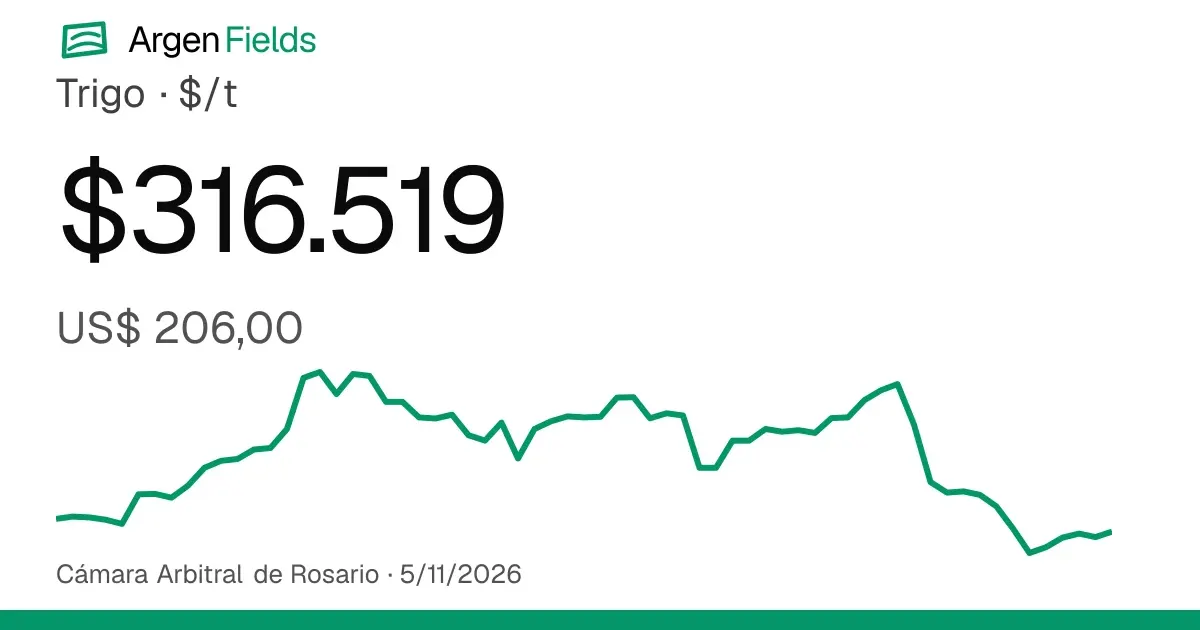
The FAO cereal price index fell 4.5% from September to 116.8 points in October, and was 12.6% below its level a year earlier. The FAO attributed the wheat decline to weaker international buying and more favorable production prospects, particularly in Argentina.
Weaker import demand and improved crop expectations increase the availability of competing wheat supplies, putting downward pressure on international wheat prices. That can weigh on Argentine export values and local pricing references.
 argenfields.comRedacción ArgenFieldsNov 9, 2026
After 1,006 past bearish report events, Wheat (SRW) moved a median +0.0% over 5 sessions (50% higher; middle half -1.6% to +1.8%), and +0.3% over 20.
Moves of each commodity's benchmark from the last close before the event. Historical reads pool past events of the same kind; they describe what happened, not what will. Not investment advice.
