Loading…
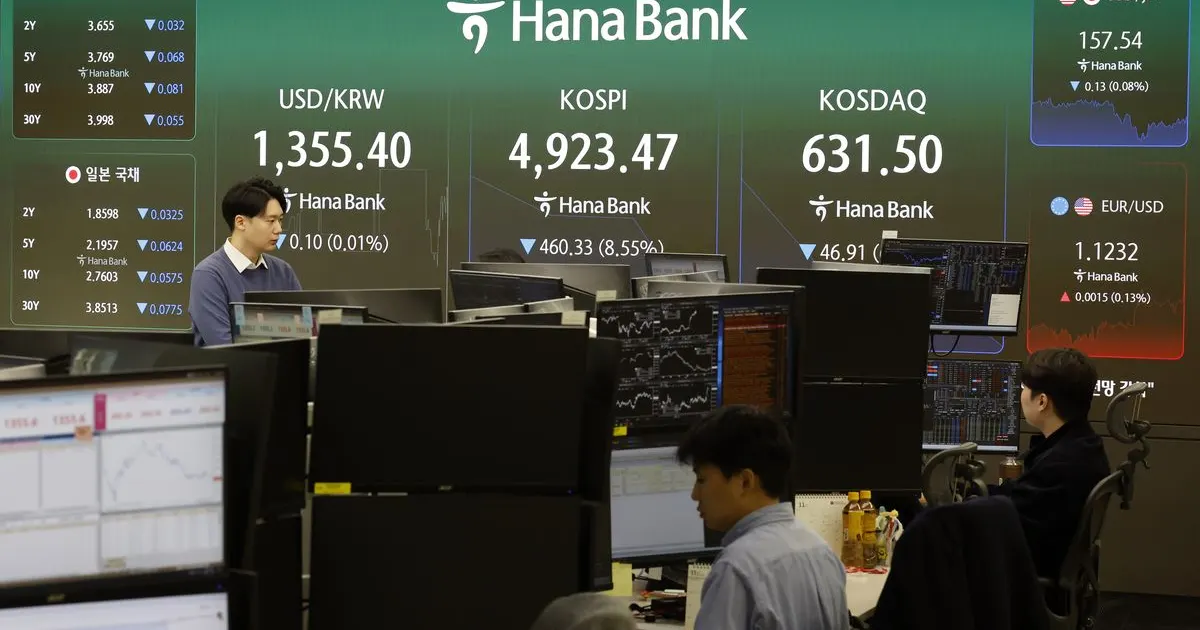
The won-dollar rate closed at 1,356.6 on November 6, up 14.5 won from the previous day, as South Korean stocks plunged and foreign investors sold a net 2.769 trillion won of shares. The article reports concerns that a Democratic sweep in the U.S. midterms could bring tighter AI and semiconductor regulation, while officials announced temporary market-stabilization measures.
Foreign capital outflows and weaker risk sentiment can weaken the won, increasing the local-currency cost of imported feed. The temporary market measures may help limit financial-market volatility but do not directly change commodity supply.
 fnnews.comNov 6, 2026
Not enough comparable past events yet for a historical read.
Moves of each commodity's benchmark from the last close before the event. Historical reads pool past events of the same kind; they describe what happened, not what will. Not investment advice.
