Loading…
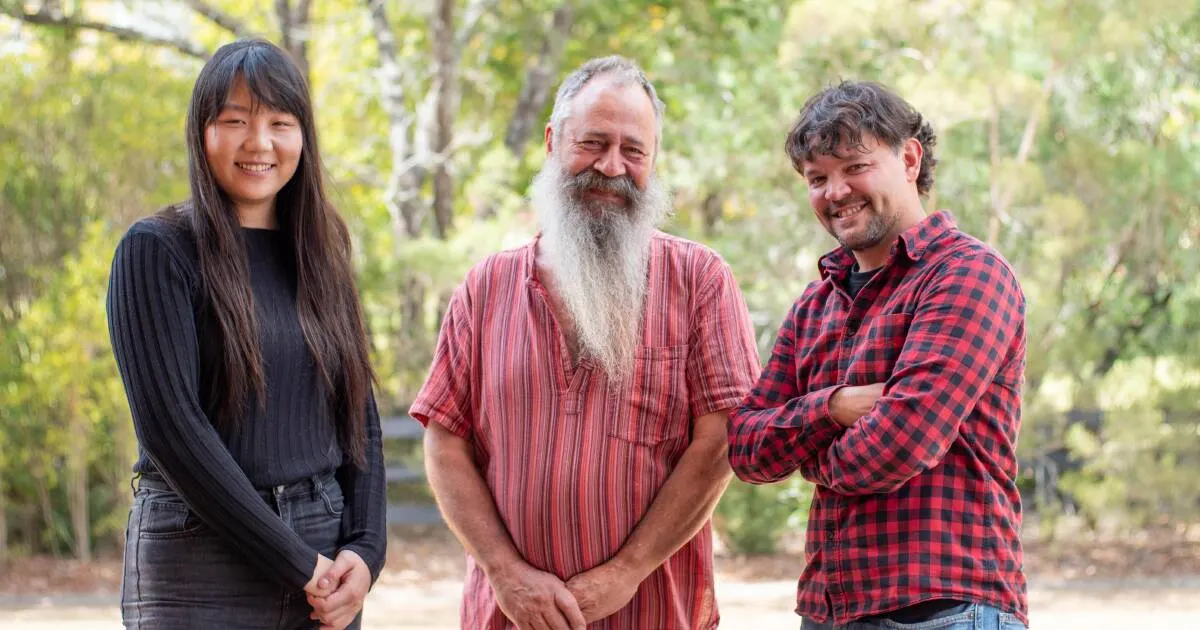
University of Queensland researchers have developed a method to measure how much soil water wheat varieties use, when they use it, and from what depth. The method uses electromagnetic induction sensors on an autonomous robot that reads soil conductivity as it moves across a paddock.
The team hopes to have an easy-to-use version ready in about a year.
The tool could help breeders and growers identify drought-tolerant wheat varieties, but it is a research development with no near-term effect on supply or prices.
 queenslandcountrylife.com.auAngus JohansenNov 3, 2026
After 1,773 past weather events, Wheat (SRW) moved a median +0.1% over 5 sessions (52% higher; middle half -1.5% to +2.1%), and +0.2% over 20.
Not enough comparable past events yet for a historical read.
Moves of each commodity's benchmark from the last close before the event. Historical reads pool past events of the same kind; they describe what happened, not what will. Not investment advice.
