Loading…
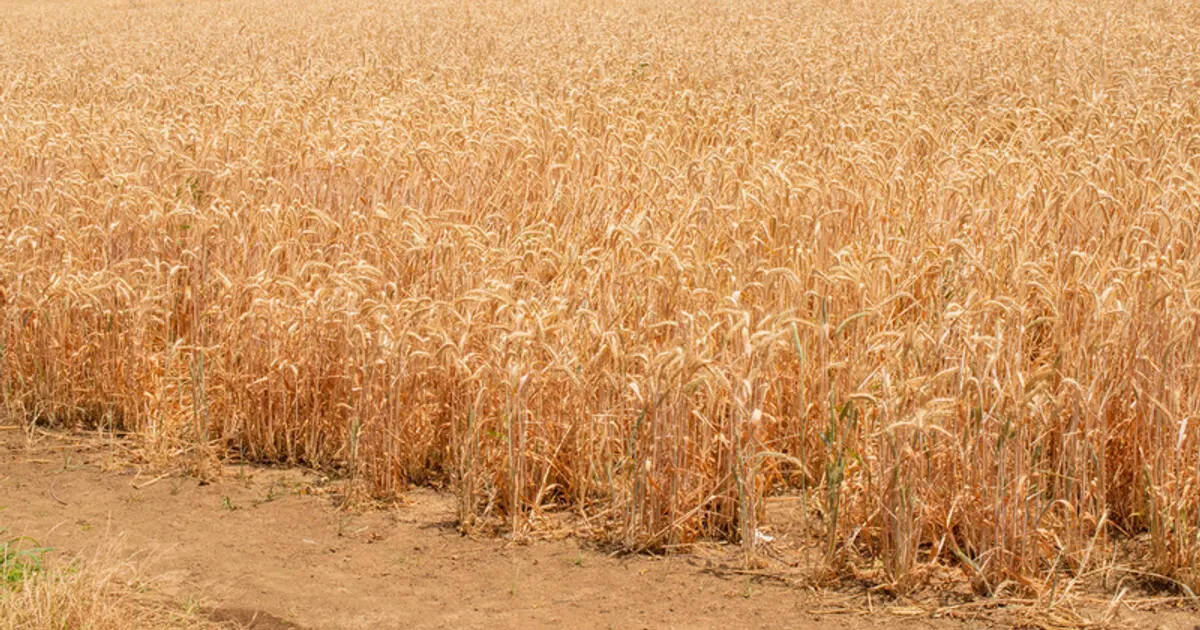
The FAO Food Price Index averaged 131.1 points in July 2026, up 0.6 percent from June and 1.0 percent above July 2025. The FAO Cereal Price Index rose 3.4 percent on the month, with wheat up 5.8 percent on Black Sea disruption and heatwave concerns, and maize up 3.6 percent.
The Vegetable Oil Index climbed 2.0 percent to its highest level since June 2022.
Higher wheat, maize and vegetable oil quotations raise the cost of feed grains and oilseed-based protein and fats for buyers. Firmer energy prices add further cost pressure through biodiesel demand and input costs.
 fao.orgJul 8, 2026
After 769 past bullish report events, Wheat (SRW) moved a median +0.2% over 5 sessions (53% higher; middle half -1.4% to +2.0%), and +0.2% over 20.
After 1,040 past bullish report events, Corn moved a median +0.5% over 5 sessions (62% higher; middle half -0.9% to +2.0%), and +0.8% over 20.
After 149 past bullish report events, Palm Oil moved a median +0.5% over 5 sessions (57% higher; middle half -1.1% to +1.8%), and +0.8% over 20.
After 296 past bullish report events, Soybean Oil moved a median -0.0% over 5 sessions (49% higher; middle half -1.8% to +2.0%), and -0.5% over 20.
Moves of each commodity's benchmark from the last close before the event. Historical reads pool past events of the same kind; they describe what happened, not what will. Not investment advice.
The FAO report showed the Vegetable Oil Index at its highest level since June 2022, which confirms firm vegetable oil sentiment, though it is a lagging indicator and partly reflects price moves already underway.
