Loading…
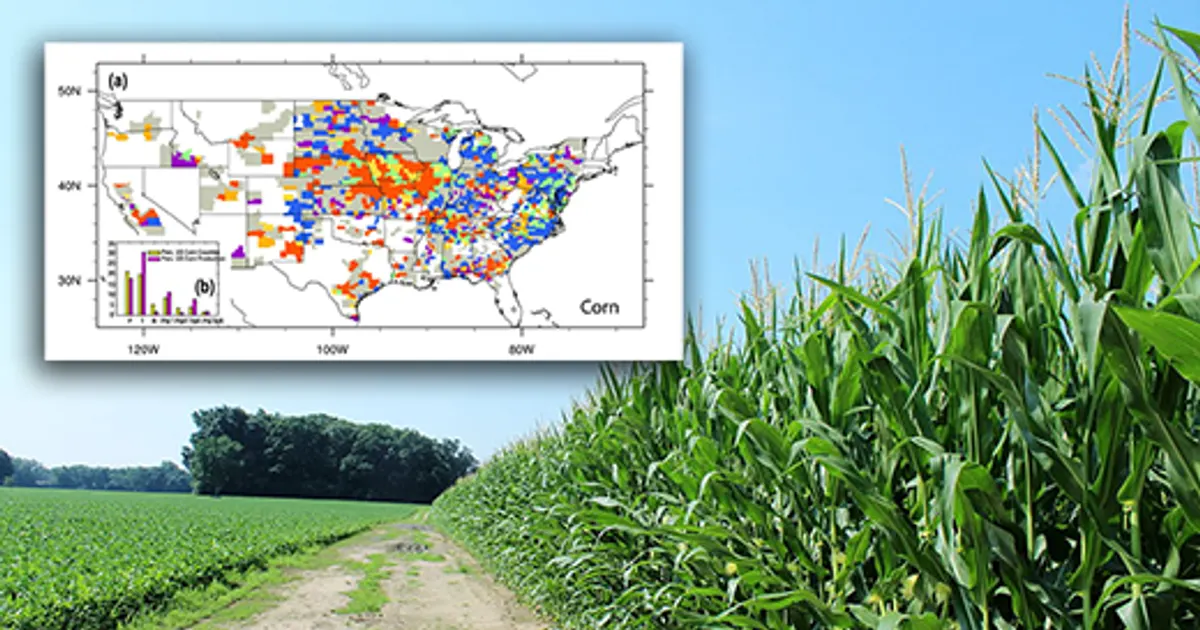
Pacific Northwest National Laboratory researchers analyzed county-level yield variability for corn and soybeans, finding temperature is the predominant climate factor in corn counties. Fertilization timing and rates were shown to affect yield variability more than irrigation on average.
The research improves yield prediction methods but has no direct new supply shock, so its price relevance for feed buyers is minimal.
 phys.orgPacific Northwest National LaboratoryJan 20, 2017
After 770 past neutral report events, Corn moved a median +0.2% over 5 sessions (54% higher; middle half -1.1% to +1.6%), and +0.7% over 20.
After 563 past neutral report events, Soybeans moved a median -0.1% over 5 sessions (48% higher; middle half -1.7% to +1.6%), and -0.1% over 20.
Moves of each commodity's benchmark from the last close before the event. Historical reads pool past events of the same kind; they describe what happened, not what will. Not investment advice.
