Loading…
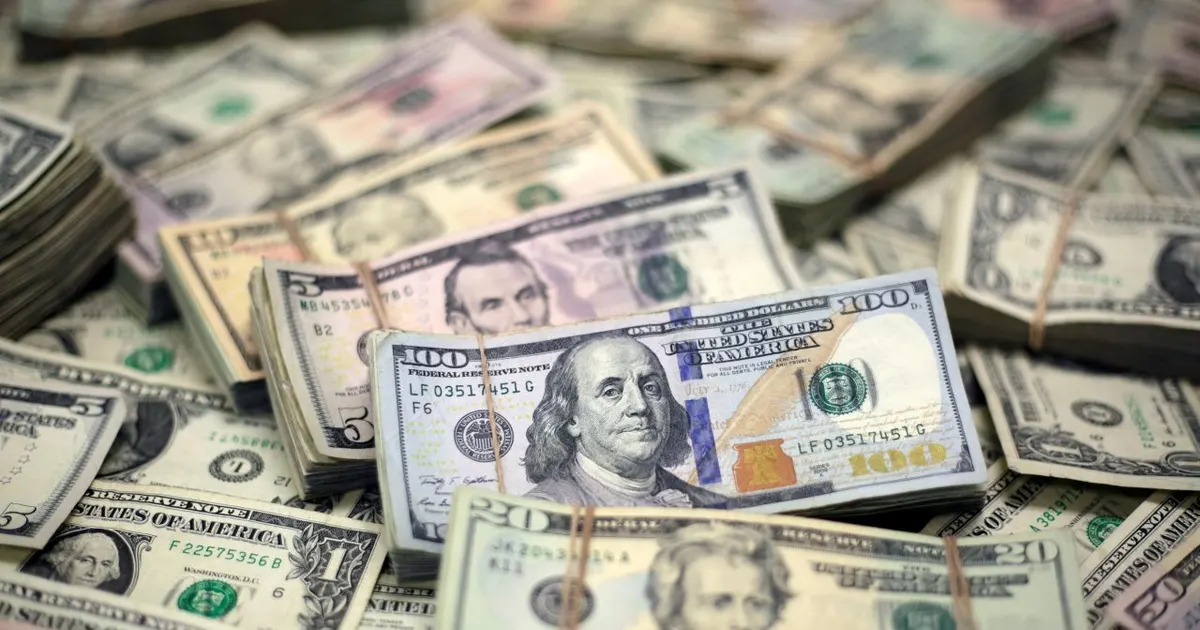
The US dollar has fallen 11% since late 2016 against its main trading partners and is down 2.7% so far this year on the WSJ Dollar Index. The decline is surprising many on Wall Street, which had expected dollar strength from Federal Reserve rate increases widening yield gaps over German bunds.
A weaker dollar generally lifts dollar-denominated grain and feed prices and improves US export competitiveness. The decline runs against the rate-differential expectations many traders hold, so feed buyers should not assume a reversal.
 wsj.comChelsey DulaneyFeb 25, 2018
After 1,637 past bearish macro events, US Dollar (Broad) moved a median -0.2% over 5 sessions (39% higher; middle half -0.6% to +0.3%), and -0.2% over 20.
Moves of each commodity's benchmark from the last close before the event. Historical reads pool past events of the same kind; they describe what happened, not what will. Not investment advice.
