Loading…
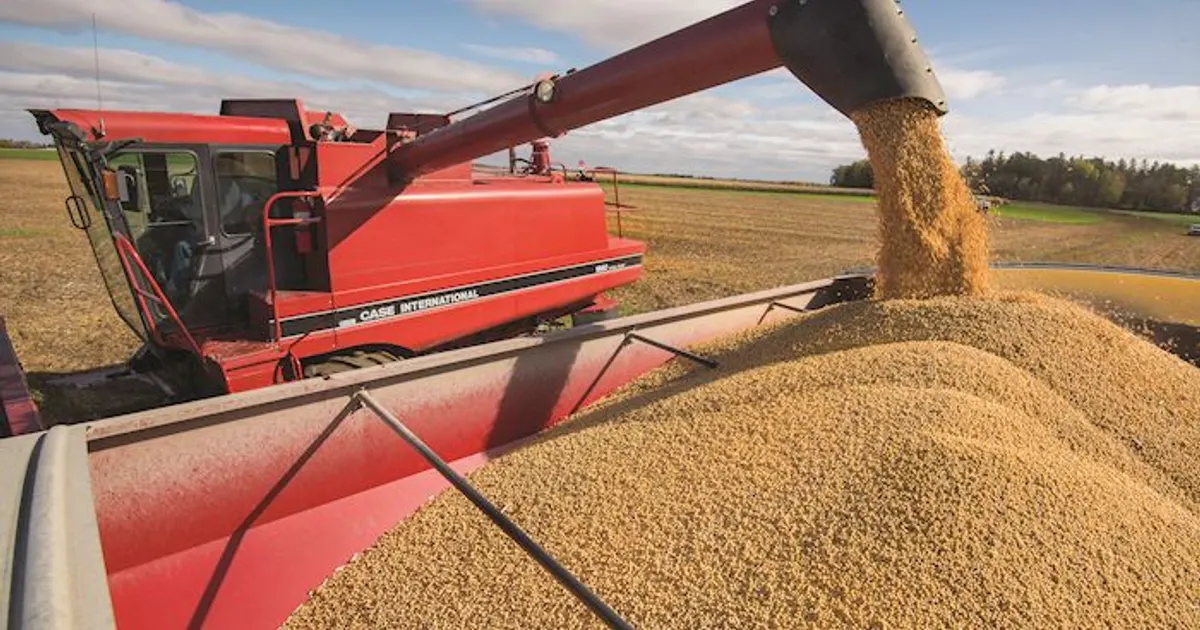
Rising US-China trade tensions and a severe African swine fever outbreak in China are reshaping the global soybean market. Iowa State economist Chad Hart suggests China could expand domestic soybean production and new exporters could emerge.
Structural shifts toward Chinese domestic output and new suppliers could reduce long-run import demand for US soybeans and meal.
 iowafarmbureau.comDirck SteimelMay 28, 2019
After 803 past bearish trade events, Soybeans moved a median +0.0% over 5 sessions (51% higher; middle half -1.7% to +1.7%), and +0.9% over 20.
After 384 past bearish trade events, Soybean Meal moved a median -0.2% over 5 sessions (47% higher; middle half -1.7% to +1.6%), and -0.5% over 20.
Moves of each commodity's benchmark from the last close before the event. Historical reads pool past events of the same kind; they describe what happened, not what will. Not investment advice.
