Loading…
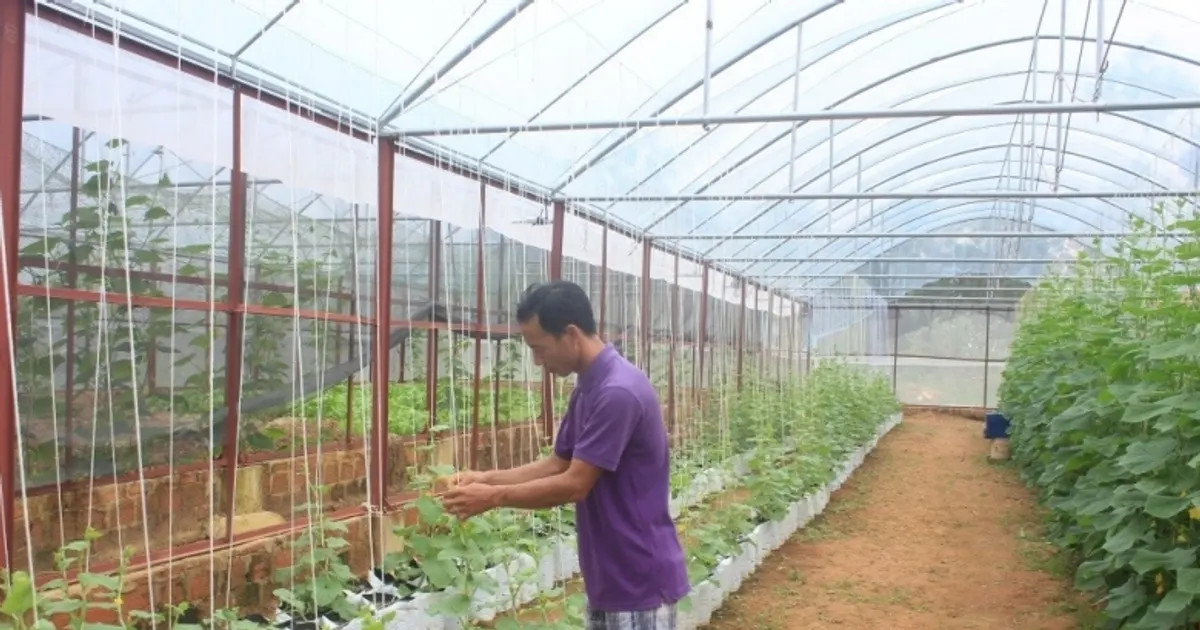
A World Bank report series, Striking a Balance, models the agricultural and economic impacts of El Nino and La Nina across East Asia and the Pacific. It finds El Nino causes drought and GDP and agricultural losses, while La Nina brings floods.
The reports recommend policy interventions to reduce these impacts.
The analysis is a policy and climate-risk study rather than a new supply shock, so it has little immediate price effect on feed grains or meal.
 worldbank.orgDec 3, 2019
After 3,207 past report events, Corn moved a median +0.2% over 5 sessions (54% higher; middle half -1.3% to +1.7%), and +0.5% over 20.
After 2,389 past report events, Soybeans moved a median 0.0% over 5 sessions (50% higher; middle half -1.6% to +1.9%), and +0.1% over 20.
After 2,447 past report events, Wheat (SRW) moved a median +0.0% over 5 sessions (51% higher; middle half -1.5% to +1.8%), and +0.2% over 20.
After 349 past report events, Palm Oil moved a median +0.3% over 5 sessions (55% higher; middle half -1.0% to +2.0%), and +0.6% over 20.
Moves of each commodity's benchmark from the last close before the event. Historical reads pool past events of the same kind; they describe what happened, not what will. Not investment advice.
