Loading…
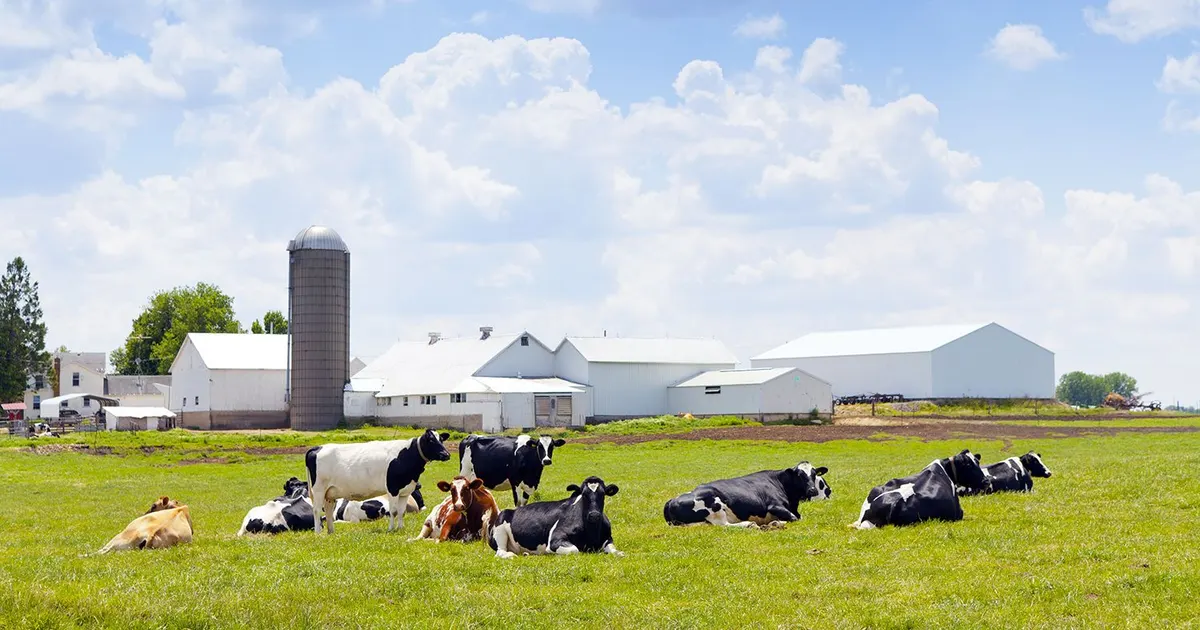
Class III milk rose from $17.05 in January to a projected above $20 in June after falling to $12.14 in May, while Class IV recovered from $10.67 in May to $13.35 in June. Producers attribute the swings to COVID-19 demand shocks, food box purchases, and dairy cooperatives' base excess plans that cut production.
Tighter milk supply versus recovering foodservice and retail demand is driving dairy prices higher, which supports prices for dairy-based feed ingredients and reflects how quickly milk supply can swing.
 proag.comJun 29, 2020
Not enough comparable past events yet for a historical read.
Moves of each commodity's benchmark from the last close before the event. Historical reads pool past events of the same kind; they describe what happened, not what will. Not investment advice.
