Loading…
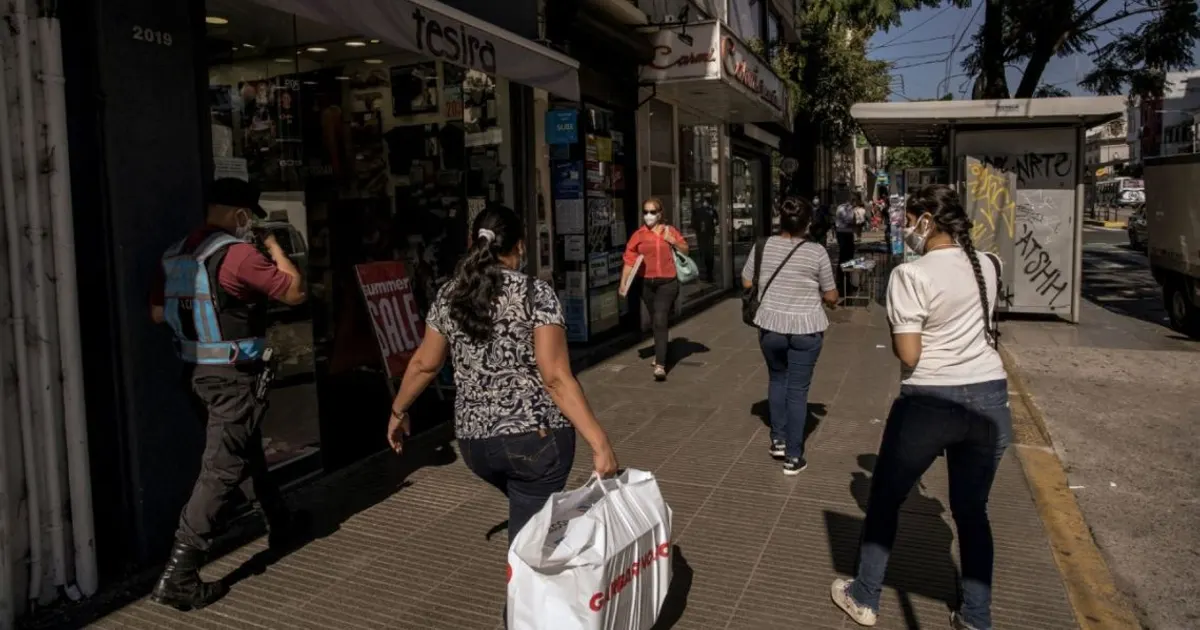
Argentina's central bank has slowed the peso's depreciation as a tool to curb inflation ahead of November midterm elections. The peso lost 1.1% against the dollar in June, its smallest monthly decline since January 2020.
Consumer prices rose almost 50% year on year in May.
A managed, slower crawl in the peso lowers the local-currency cost of imported inputs but raises the risk of a sharper devaluation later. For feed buyers, this shapes the peso price of Argentine meal and oil exports, which tend to shift when the currency moves abruptly.
 batimes.com.arJames GraingerJul 1, 2021
Not enough comparable past events yet for a historical read.
Moves of each commodity's benchmark from the last close before the event. Historical reads pool past events of the same kind; they describe what happened, not what will. Not investment advice.
